

Topkapi Palace: Istanbul's Iconic Museum
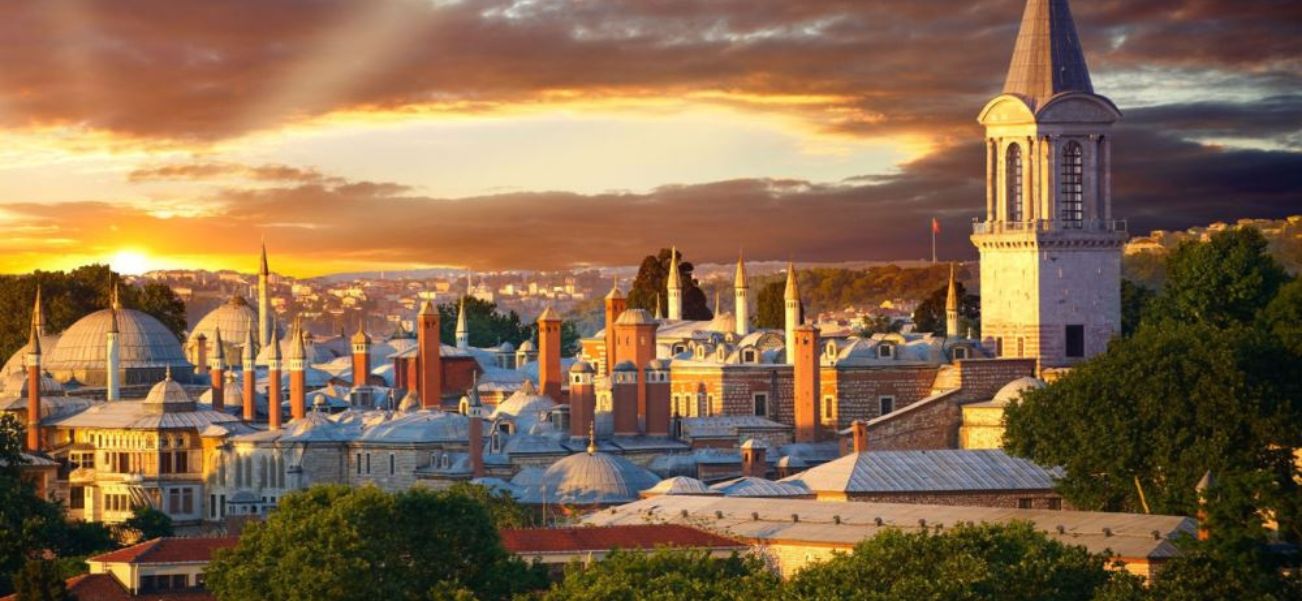
Dominating the historical peninsula of Istanbul at the breathtaking confluence of the Golden Horn, the Bosporus, and the Sea of Marmara, Topkapı Palace (Topkapı Sarayı) stands as one of the world’s greatest and most opulent museums. For nearly four centuries, this sprawling palace complex served as the administrative, cultural, and residential heart of the mighty Ottoman Empire, home to sultans, courtiers, and a bustling population that sometimes exceeded 4,000 people. Today, as a UNESCO World Heritage Site and Istanbul’s most visited museum, Topkapı Palace offers an unparalleled journey into Ottoman history, art, and imperial power.
This blog post will guide you through its majestic courtyards, hidden harem, priceless treasures, and the profound stories embedded within its walls, revealing why it remains an unmissable destination for any traveler to Turkey.
TOPKAPI PALACE: ISTANBUL'S CROWN JEWEL OF HISTORY & GRANDEUR
Listen to the podcast about "Topkapı Palace: Istanbul's Iconic Museum":
RECOMMENDED READING The Ultimate Istanbul Travel Guide: Discover The Soul Of Two Continents
A Palace Built for Empire: Historical Origins and Architectural Vision

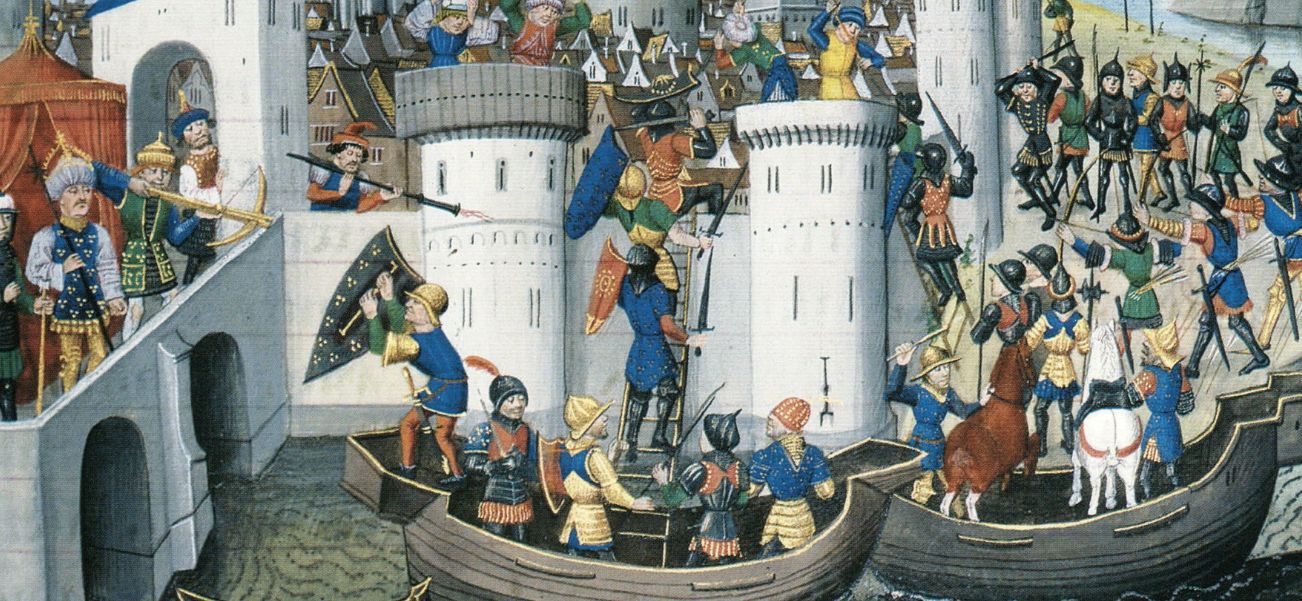
The story of Topkapı Palace begins with the conquest. Following his triumphant capture of Constantinople in 1453, Sultan Mehmed II (Mehmed the Conqueror) sought to build a new palace worthy of his new capital and burgeoning empire. Construction began in 1459, and by 1478, the core complex was complete. Unlike the single-block European palaces, Topkapı’s design was distinctly Ottoman—a series of pavilions, barracks, kitchens, mosques, and gardens organized around a sequence of four main courtyards, each with increasing levels of privacy and sanctity.

This architectural philosophy reflected the palace’s multifaceted role:
- A Center of Government The Imperial Council (Divan) met here to administer a vast empire spanning three continents.
- The Imperial Residence The sultan and his extensive family lived in the palace’s innermost private quarters.
- A Seat of Learning It housed extensive libraries and scriptoriums.
- A Treasury It safeguarded the empire’s unimaginable wealth.
The name "Topkapı" (meaning "Cannon Gate") was adopted later, in the 19th century, after a nearby shore gate. Originally, it was known as the "New Palace" (Saray-ı Cedid), distinguishing it from the older palace in the Beyazıt district.
Sultanahmet Travel Guide: Top Things To See in Istanbul's Historic Heart
Journey Through the Courtyards: Layers of Power and Ceremony

Access to Topkapı Palace is a symbolic progression from the public realm into the private world of the sultan, governed by strict protocol.
First Courtyard: The Public Domain

Entering through the majestic Imperial Gate (Bab-ı Hümayun), you step into the First Courtyard. This was the most public area, accessible to palace staff and visitors. Key highlights here include the iconic Hagia Irene, a former Byzantine church used by the Ottomans as an armory and now a concert hall, and the imposing Imperial Mint (Darphane-i Amire).
Second Courtyard: The Heart of Administration

The Gate of Salutation (Bab-üs Selam), flanked by two distinctive octagonal towers, leads to the Second Courtyard. This was the administrative core of the empire. Here, you’ll find:
- The Imperial Council Chamber (Kubbealtı) Where the viziers and the Grand Vizier deliberated state affairs. The sultan could listen unseen through a grated window high on the wall.
- The Palace Kitchens A massive complex of ten domed buildings that fed thousands daily. Today, they house the palace’s incredible collection of Chinese and Japanese celadon and porcelain—over 10,000 pieces, one of the world’s finest such collections.
- The Imperial Stables
- The Entrance to the Harem
Hagia Sophia: The Timeless Symbol of Istanbul's Spiritual and Imperial Legacy
Third Courtyard: The Sultan's Private Domain

Passing through the Gate of Felicity (Bab-üs Saade), you enter the Third Courtyard, the sultan’s private inner sanctum. This was a profoundly restricted area. Key buildings include:
- The Audience Chamber (Arz Odası) Where the sultan received ambassadors and high officials.
- The Library of Sultan Ahmed III A beautiful example of Ottoman Baroque architecture.
- The Dormitory of the Expeditionary Force

Most significantly, this courtyard houses the Imperial Treasury, a series of rooms displaying mind-boggling riches: the famed Topkapı Dagger, the 86-carat Spoonmaker’s Diamond (Kaşıkçı Elması), and thrones encrusted with gemstones.
Fourth Courtyard: The Imperial Gardens and Pavilions

A series of elegant terraced gardens and exquisite pavilions offering the most stunning panoramic views of Istanbul.
- The Circumcision Room (Sünnet Odası) For the ceremonial circumcision of Ottoman princes.
- The Baghdad and Iftar Pavilions Masterpieces of Ottoman architecture, built to commemorate military campaigns and used for private relaxation and religious ceremonies.
Behind the Gilded Walls: The Secrets of the Imperial Harem

No visit to Topkapı is complete without exploring the Harem (from the Arabic "haram," meaning forbidden). This labyrinthine complex of over 300 rooms, courtyards, hamams, and corridors was the private residence of the sultan, his mother (the Valide Sultan), his wives (kadıns), concubines, children, and the eunuchs who guarded them. It was a micro-society governed by intricate hierarchy, intense politics, and strict isolation.
The Secrets of the Ottoman Harem: A World of Power, Passion, and Palace Intrigue

Key areas within the Harem:
- Courtyard of the Eunuchs The guarded entrance.
- Courtyard of the Valide Sultan The heart of Harem power, as the sultan’s mother was its undisputed ruler.
- The Imperial Hall The largest space, used for entertainment and ceremonies.
- The Private Apartments of the Sultan Including the lavish Imperial Sofa Chamber.
- The Twin Kiosks / Apartments of the Crown Prince
The Harem architecture, with its stunning Iznik tiles, intricate mother-of-pearl inlay, and ornate domes, reflects the peak of Ottoman decorative arts. A guided tour here is essential to unravel the dramatic tales of intrigue, ambition, and romance that unfolded within these walls.
Treasures Beyond Imagination: The Museum Collections

Topkapı Palace Museum’s collections are a testament to the global reach and immense wealth of the Ottoman dynasty.
- The Sacred Relics Housed in the former Privy Chamber, this is one of the most spiritually significant collections in the Islamic world. It includes relics attributed to the Prophet Muhammad (his cloak, sword, and a tooth), as well as items linked to other prophets. The chamber is a place of quiet reverence and pilgrimage.
- Imperial Costumes A breathtaking display of silk kaftans, ceremonial robes, and delicate textiles worn by sultans and courtiers.
- Ottoman Miniatures and Manuscripts The palace library holds thousands of exquisitely illustrated manuscripts.
- Islamic Calligraphy Priceless examples, including early Qurans.
- Armory and Weapons An impressive array of Ottoman and imported arms and armor, often decorated with gold, jewels, and ivory.

Practical Visitor's Guide: Tips for Your Visit
- Location & Access Topkapı Palace is located in the Sultanahmet district, a short walk from the Hagia Sophia and the Blue Mosque.
- Tickets Purchase a combined ticket for the Palace and separate ticket for the Harem. The Harem tour is mandatory with a guide (audio guides available) and is worth every extra lira. Consider using the Istanbul Museum Pass for skip-the-line access and savings.
- Best Time to Visit Mornings on weekdays are generally less crowded. Allocate at least 3-4 hours for a comprehensive visit.
- Dress Code Modest dress is recommended (shoulders and knees covered) as it is a historical and religious site. Comfortable shoes are a must.
- Don't Miss The view from the Marble Terrace in the Fourth Courtyard is arguably the best in Istanbul. The palace cafeteria there offers this vista with your tea.
Conclusion: More Than a Museum, A Living Legacy
Topkapı Palace is far more than a static collection of artifacts behind glass. It is a monumental narrative in stone, tile, and gold. Walking its courtyards, you tread the same paths as Suleiman the Magnificent, Roxelana, and Mehmed the Conqueror. You feel the weight of history in the Divan, sense the intrigue of the Harem corridors, and marvel at the aesthetic splendor that defined Ottoman imperial identity.
As Istanbul's iconic museum, it does not merely display history—it immerses you in the very heart of an empire that shaped the world for centuries. A visit to Topkapı Palace is an essential, unforgettable journey into the soul of Istanbul, a powerful reminder of the city’s enduring legacy as a seat of global power, culture, and breathtaking beauty.
Enjoy your visit to the Topkapı Palace Museum!
Turkish Language Materials