Turkish Rock Bands: Mor Ve Ötesi – The Voice of a Generation
In the vibrant and ever-evolving landscape of Turkish rock music, few names command as much respect, admiration, and enduring influence as Mor ve Ötesi. Formed in the heart of Istanbul in the mid-90s, the band has grown from an underground rock act into one of Turkey’s most seminal and respected alternative rock bands. Their journey is not just a musical evolution but a chronicle of a generation’s hopes, disillusionments, and relentless search for identity. Mor ve Ötesi matters profoundly in Turkish music history because they successfully bridged the raw energy of Western alternative rock with the profound, poetic depth of Turkish lyrical tradition, creating a sound that is both globally resonant and intimately local.
The band’s musical identity is built on a powerful triad: emotional depth, acute social awareness, and poetic lyrics that often read like verses from a modern-day protest poem. What sets Mor ve Ötesi apart from other iconic Turkish rock bands like Duman, Athena, or Manga is this unwavering commitment to substance over style, and message over mere melody. They are not just musicians but storytellers and social commentators. As we explore their journey—from cramped Istanbul rehearsal rooms to the Eurovision stage and sold-out arena tours—we will uncover the essence of their sound, the pillars of their legacy, and why, decades after their formation, Mor ve Ötesi ("Purple And Beyond") remains the conscience of Turkish alternative rock.
MOR VE ÖTESİ: THE BAND THAT REDEFINED TURKISH ROCK MUSIC
Watch the best video clips by Mor Ve Ötesi songs in this playlist:
Listen to this podcast about "Mor Ve Ötesi":
Altın Gün: Anatolian Rhythms, Turkish Psychedelic Rock Vibes, The Hypnotic World of Anatolian Rock
The Birth of Mor ve Ötesi: Formation and Early Years

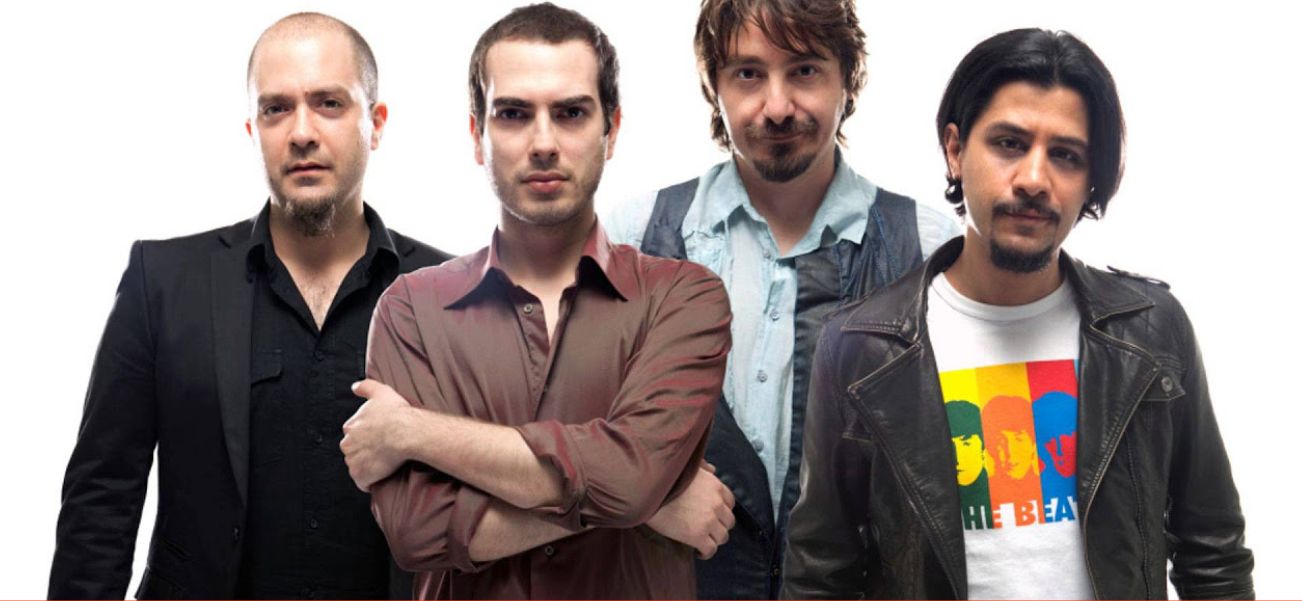
The story of Mor ve Ötesi begins in 1995, in the bustling, culturally rich metropolis of Istanbul. The city's dynamic, albeit nascent, underground rock scene of the mid-90s provided the perfect incubator for the band’s formation. The original lineup consisted of brothers Harun Tekin (vocals/guitar) and Hakan Tekin (bass), along with Alper Tekin (no relation, on drums) and Kerem Özyeğen (guitar). This early composition would see shifts, most notably with Kerem Kabadayı joining as the permanent drummer and Burak Güngör later solidifying the lineup on bass, creating the core quartet known and loved today.

The band’s name, “Mor ve Ötesi”, which translates to “Purple and Beyond”, is evocative and open to interpretation. “Mor” (purple) often symbolizes mystery, nostalgia, spirituality, and rebellion in Turkish culture, while “ötesi” (beyond) suggests a quest for something deeper, unexplored, and transcendent. This name perfectly encapsulated their ambition to push past musical and thematic boundaries.

Drawing inspiration from Western alternative rock giants like Radiohead, Pearl Jam, and The Smashing Pumpkins, they fused these sounds with a distinctly Turkish lyrical tradition of storytelling and metaphor. Their early years were spent in the gritty rehearsal spaces of Istanbul, honing their craft, recording demos, and building a loyal following through passionate, raw live performances in the city’s clubs. This period laid a foundation of authenticity and artistic integrity that would become their trademark.

Anatolian Rock in Turkey: A Musical Revolution Rooted in Tradition
Band Members: Faces Behind the Sound
The unique alchemy of Mor ve Ötesi’s sound is a direct result of the distinct personalities and immense talents of its four core members.
Harun Tekin – Vocals & Lyrics

Harun Tekin is far more than just the lead singer; he is the band’s beating heart and ideological compass. His vocal style is remarkably expressive—capable of shifting from a vulnerable, intimate whisper to a raw, impassioned roar that can fill an arena. This emotional range gives their music its powerful immediacy. As the primary lyricist, Tekin’s depth is his superpower. He crafts words that are deeply poetic, rich with symbolism, and unflinchingly engaged with social and personal themes. He serves as the band’s emotional and ideological voice, transforming songs into anthems of introspection and protest.
Kerem Kabadayı – Drums

Providing the band’s rhythmic backbone, Kerem Kabadayı’s drumming is both powerful and intricate. His style avoids simple rock patterns, instead incorporating subtle textures and dynamic shifts that drive the songs’ emotional flow. His background and precision give Mor ve Ötesi songs their compelling groove and urgency, whether in a driving rock anthem or a more atmospheric, melancholic piece.
Burak Güngör – Bass Guitar

Burak Güngör’s role is foundational in the truest sense. His bass lines are melodic, inventive, and crucial to the band’s sonic identity. Rather than simply following the root notes, Güngör’s bass weaves in and out of the guitar melodies, creating a rich, harmonic bed that adds depth and complexity. His playing is the subtle force that often carries the song’s emotional weight, anchoring the music while allowing it to soar.
Kerem Özyeğen – Guitar

The architect of the band’s signature soundscapes, Kerem Özyeğen is a master of mood and melody. His guitar tone—a blend of shimmering cleans, melancholic arpeggios, and searing, distorted riffs—defines the band’s auditory palette. His influences from alternative and post-grunge are clear, but he filters them through a unique sensibility, creating memorable hooks and atmospheric layers that are instantly recognizable. His work is central to the band’s evolution from raw rock to more sophisticated, textured arrangements.
Musical Style and Sound Identity

Mor ve Ötesi’s sound is a sophisticated fusion that defies simple categorization. At its core, it is alternative rock and indie rock, with strong roots in the post-grunge of the 1990s. However, what makes it uniquely Turkish is the subtle infusion of Anatolian melodic sensibilities and a profound narrative approach inherited from Turkish folk music ("türkü").

Their sonic signature is built on a compelling contrast: the warm, often melancholic weave of melodic guitar riffs against a backdrop of gritty distortion and driving rhythms. Their arrangements are atmospheric, creating spaces that feel both intimate and expansive. Over their career, their sound has evolved significantly. The raw, grunge-inflected energy of their early work gradually gave way to more polished, experimental, and layered productions, incorporating elements of art rock, electronica, and even progressive structures.

When compared to their contemporaries, their distinction becomes clear. While Duman embodies a more raucous, “pub rock” energy, and Manga fused rock with nu-metal and electronic elements, Mor ve Ötesi has consistently prioritized lyrical depth and musical craftsmanship. They successfully balance clear Western influences (Radiohead, Jeff Buckley, Placebo) with an unwavering commitment to Turkish storytelling, making their music a bridge between cultures and generations.
Discography Breakdown: Albums That Shaped a Generation
Şehir (1996) – The Beginning
Their self-produced debut, "Şehir" (City), was a raw declaration of intent. Recorded live in the studio, it captured the band’s early grunge and alternative rock influences. Songs were direct, guitar-driven, and full of youthful angst, laying the groundwork for their signature emotional intensity. It was an essential first step in the Istanbul rock scene.
Bırak Zaman Aksın (1999)
This sophomore album marked a period of growth in lyrical complexity and musical confidence. The production was cleaner, the song structures more ambitious. Tracks like “Yalnız Şarkı” showcased their developing talent for crafting haunting melodies and deeper, more introspective themes, moving beyond their initial raw sound.
Dünya Yalan Söylüyor (2004)
The breakthrough album. "Dünya Yalan Söylüyor" (The World is Lying) propelled Mor ve Ötesi into the Turkish mainstream and cemented their legend. It is a masterpiece of balance—critically acclaimed, commercially successful, and artistically daring. Featuring iconic songs like “Bir Derdim Var” and “Cambaz,” the album’s themes of disillusionment, societal pressure, and personal struggle resonated with a massive audience. The production was powerful yet nuanced, making it a landmark record in 2000s Turkish rock music.
Büyük Düşler (2006)
Translating to “Big Dreams,” this album reflected a band at the peak of its maturity in songwriting. The sound was anthemic, expansive, and deeply layered. Songs like “Durma” and “Ayıp Olmaz Mı?” carried strong political undertones and social criticism, reflecting the turbulent socio-political climate of the era. It proved they could maintain mainstream success without diluting their message.
Masumiyetin Ziyan Olmaz (2010)
A deliberate turn towards a more introspective, subdued, and atmospheric sound. The album’s title (Innocence is Not Wasted) hinted at its themes of lost innocence and quiet resilience. While some fans yearned for the anthemic rock of previous albums, "Masumiyetin Ziyan Olmaz" showcased a band unafraid to explore quieter, more complex emotional landscapes, earning a dedicated critical following.
Başıbozuk (2012)
A return to direct, fiery commentary. "Başıbozuk" (Irregulars/Unruly) is arguably their most overtly political album, released during a period of heightened social unrest in Turkey. Its songs are charged, urgent, and function as powerful social commentary, giving voice to frustration and a demand for change. It reaffirmed their role as a band deeply engaged with their country’s reality.
Sirens (2016)
Marking their boldest experimental direction, "Sirens" featured sleek modern production, incorporating synths and more abstract structures. It felt both global and personal, dealing with themes of alienation in the digital age and environmental decay. This album demonstrated their refusal to be nostalgic, constantly pushing their artistic boundaries forward.
Lyrics and Themes: Poetry Meets Protest

The lyrical world of Mor ve Ötesi is where their soul truly resides. Harun Tekin’s pen deals in universal yet acutely personal themes:
- Love, loss, and alienation Explored not as clichés, but as profound human conditions.
- Political unrest and social justice From corruption to inequality and freedom of expression, they voice dissent with poetic force.
- Youth, freedom, and identity Capturing the anxieties and aspirations of a generation caught between tradition and modernity.
Their use of symbolism and metaphor is masterful. Natural imagery (seas, storms, birds), urban landscapes, and abstract concepts are woven into poignant critiques and reflections. This poetic approach allows their messages to resonate on a personal level before revealing their broader social weight.
For example, in a song like “Bir Derdim Var,” the “trouble” is both a deeply personal burden and a metaphor for collective societal sickness. This duality is why their lyrics resonate so deeply with Turkish youth—they articulate unspoken feelings of frustration, hope, and yearning with an intelligence and artistry that transcends simple protest music.
Mor ve Ötesi and Eurovision: A Defining Moment

In 2008, Mor ve Ötesi accepted the challenge to represent Turkey in the Eurovision Song Contest with their song “Deli” (Madman). This was a defining moment. The powerful, politically-charged rock song, with its cryptic lyrics about blindness and waking up, stood in stark contrast to the contest’s typical pop fare. Their intense, minimalist staging and flawless performance earned them a remarkable 7th place, introducing them to a massive international audience.
Within Turkey, the reaction was polarized but impactful. While some purists questioned their participation in a “pop” contest, a vast majority saw it as a moment of national pride, where artistic integrity was showcased on a global stage. Eurovision 2008 significantly amplified their global recognition and proved that a Turkish rock band with a serious message could command attention in Europe.
Political and Social Impact in Turkey
Mor ve Ötesi has never shied away from an open political stance. Their music has consistently served as a voice for dissent and social awareness. They have been intrinsically connected with various protests and youth movements in Turkey, most notably during the Gezi Park protests of 2013, where their songs became unofficial anthems of resistance and solidarity.
This engagement has drawn both intense praise and criticism. To their fans, they are courageous truth-tellers who use their platform responsibly. To detractors, they are overly politicized musicians. Regardless, their role in shaping socially conscious Turkish rock is undeniable. They demonstrated that rock music in Turkey could be commercially successful while maintaining a critical, questioning stance towards power and society.
Live Performances and Fan Culture
A Mor ve Ötesi concert is more than a musical event; it is a collective emotional experience. Renowned for their powerful, intense live performances, they translate studio complexity into raw, visceral energy. Their festival appearances and sold-out arena shows are characterized by this profound emotional bond with fans—a shared catharsis where thousands sing every word as if it were their own.
They have become a “band of a generation,” with a fanbase that spans ages but is united by a shared appreciation for authenticity. The concert space becomes a temporary sanctuary of understanding and release, solidifying their status not just as performers, but as cultural pillars.
Legacy and Influence on Turkish Rock Music
The legacy of Mor ve Ötesi is immense. They have influenced a new wave of younger Turkish rock and indie bands who emulate their blend of melodic sophistication and lyrical substance. Bands like Dolu Kadehi Ters Tut, Mavi Sakal, and countless others owe a debt to the path Mor ve Ötesi carved.
Their greatest contribution may be keeping guitar-based rock music relevant and vital in a Turkish music scene increasingly dominated by pop and electronic genres. They proved that rock could be intelligent, poetic, and socially engaged while reaching a massive audience. Their enduring influence stems from this unwavering commitment to artistry and message, securing their place as one of the most important chapters in Turkish music history.
Mor ve Ötesi Today: Recent Activities and Future Outlook
Following the "Sirens" album cycle, the band members have explored individual projects, with Harun Tekin releasing solo work. While not in a constant album-tour cycle, they remain active, occasionally releasing new singles and performing major concerts that instantly sell out. Their current relevance is undiminished; they are viewed as elder statesmen of Turkish rock whose every move is met with anticipation.
The expectation for future projects is always high. Whether they return with a new album or continue with selective performances, their artistic integrity suggests that any new material will be a thoughtful addition to their storied catalog, continuing to speak to the times.
Conclusion: Why Mor ve Ötesi Still Matters
Mor ve Ötesi matters because they are more than a band; they are a cultural document. They soundtracked the emotional and political journey of a nation for nearly three decades. Their musical and cultural importance lies in their fearless synthesis of sound and word, their bridge between rock authenticity and Turkish poetic soul, and their unwavering courage to speak out.
The emotional connection they forge with listeners is timeless—articulating pain, hope, and resistance with a clarity that few can match. Their enduring legacy is that of authenticity in an age of artifice, of poetry in protest, and of music that dares to look beyond the purple haze towards something deeper, truer, and beyond. They remain, unequivocally, essential.
Mor Ve Ötesi FAQ
Who is the lead singer of Mor ve Ötesi?
The lead singer and primary lyricist of Mor ve Ötesi is Harun Tekin, known for his emotionally powerful vocals and profound songwriting.
What genre is Mor ve Ötesi?
Mor ve Ötesi is primarily an alternative rock band, incorporating elements of indie rock, post-grunge, and art rock, all filtered through a distinct Turkish melodic and lyrical sensibility.
What is Mor ve Ötesi’s most famous song?
While they have many hits, one of their most famous and iconic songs is “Bir Derdim Var” from the landmark 2004 album "Dünya Yalan Söylüyor". Their Eurovision 2008 entry “Deli” also garnered massive international recognition.
Why is Mor ve Ötesi important in Turkish rock music?
Mor ve Ötesi is critically important for elevating lyrical depth and social consciousness within Turkish rock. They successfully merged Western alternative rock sounds with Turkish poetic tradition, influenced a generation, and used their platform to address social and political issues, cementing their role as one of Turkey’s most respected and influential bands.
Turkish Language Materials