

The Lycian League: The Dawn of Federal Democracy That Inspired the United States
On the rugged Mediterranean coast of modern-day Türkiye, nestled between the Taurus Mountains and turquoise waters, flourished a remarkable political experiment: the Lycian League. Unlike monarchies and empires that dominated antiquity, the Lycians pioneered a federal democratic system that would echo through history, influencing the framers of the U.S. Constitution centuries later.
This article explores the Lycian League in depth—its origins, structure, legacy, and its surprising connection to American democracy.
PATARA AND THE LYCIAN LEAGUE: ANCIENT FEDERAL DEMOCRACY THAT SHAPED MODERN GOVERNANCE
Listen to this detailed podcast about the "Lycian League":
Uncovering Patara: The Complete Guide to the Lycian League‘s Ancient Capital

1. The Historical Setting of Lycia
- Location Southwestern Anatolia (modern-day Türkiye), particularly the Teke Peninsula.
- Timeline From the 15th century BCE as the Lukka people, flourishing under Persian, Greek, and Roman influence.
- Major Cities Xanthos, Patara, Myra, and Tlos.
Lycia was known for its independence and resilience. Even under Persian rule, the Lycians maintained a degree of autonomy, which later evolved into their unique political federation.
2. The Dawn of Federal Democracy

The Lycian League was formed around the 2nd century BCE and consisted of 23 city-states. Unlike other alliances, it was not merely military but deeply political.
Key Features:
- Representation by Size Larger cities had three votes, medium-sized cities had two, and smaller ones had one.
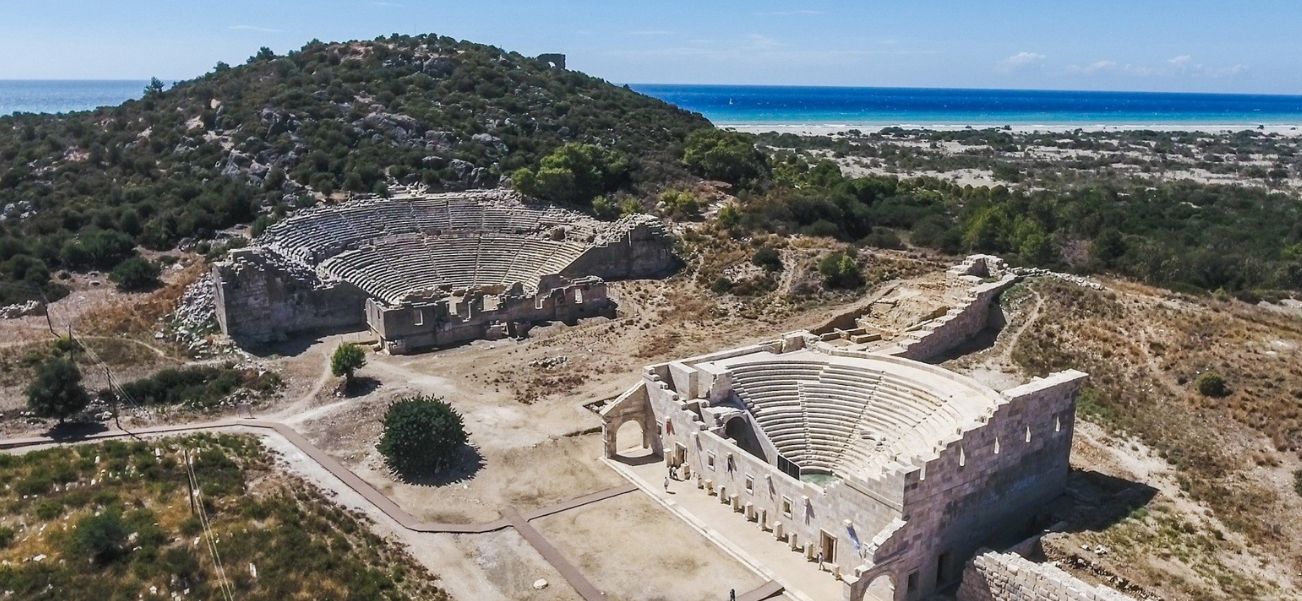
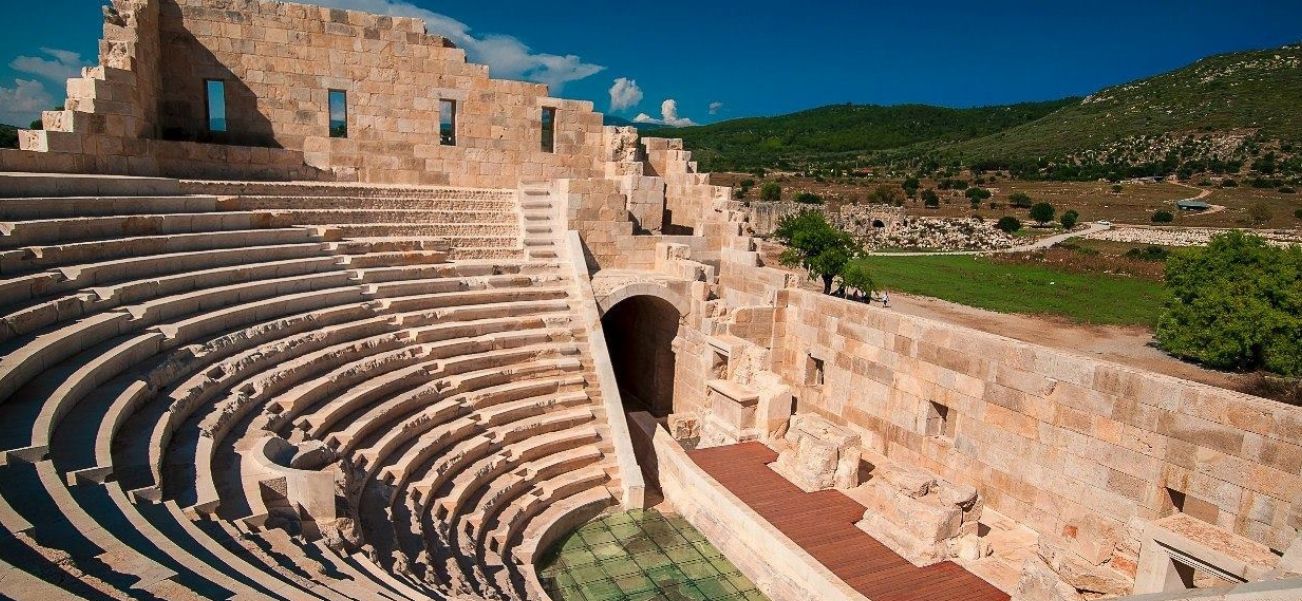
- Central Assembly Delegates met in Patara, the League’s capital, to decide on foreign policy, defense, and taxation.
- Checks and Balances No single city could dominate; collective decision-making was the norm.
This proportional voting system was revolutionary, balancing equality with practicality. It is often described as the world’s first federal democracy.
3. The Ancient City That Inspired US Democracy

Centuries later, Enlightenment thinkers and the Founding Fathers of the United States looked back at ancient models of governance. While Athens is often credited, the Lycian League’s federal system provided a closer parallel to the U.S. Constitution.
- James Madison referenced the Lycian League in "Federalist No. 9", praising its balance of local autonomy and collective strength.
- The League’s proportional representation influenced the idea of bicameral legislature and state vs. federal powers in America.
4. Structure and Functioning of the Lycian League

Assembly
- Met in Patara, a city famous for its lighthouse and oracle.
- Delegates debated issues of war, peace, and alliances.
Magistrates
- Officials were elected to oversee administration.
- Positions rotated, preventing entrenched power.
Judiciary
- Disputes between cities were resolved collectively.
- This reduced internal conflict and strengthened unity.
5. Comparison with Other Ancient Systems

Civilization. Governance Style. Key Weakness. Lycian Difference
- ATHENS. Direct democracy. Excluded women/slaves. Lycian League was representative.
- ROME. Republic. Dominated by elites. Lycian League balanced city power.
- SPARTA. Oligarchy. Militaristic, rigid. Lycian League was flexible, civic.
The Lycian League stood out for its federalism, a concept rare in antiquity.
6. Cultural and Social Dimensions
- Religion Worship of Apollo and Artemis, with temples in Patara and Xanthos.
- Architecture Famous rock-cut tombs and monumental theaters.
- Economy Maritime trade, agriculture, and craftsmanship.
Their cultural richness reinforced their political innovation, making Lycia a beacon of both art and governance.
7. Roman Integration
When Rome absorbed Lycia in the 1st century BCE, it allowed the League to continue functioning. This was unusual, as Rome often dismantled local systems. The Lycian League’s efficiency impressed Roman administrators, who saw it as a stabilizing force.
8. Legacy and Influence
- In Antiquity Served as a model for federations in Asia Minor.
- In Modern Times Inspired U.S. constitutional framers.
- Today Lycian ruins in Türkiye attract scholars and tourists, reminding us of democracy’s ancient roots.
9. The Lycian League and Modern Federalism
The League’s principles resonate today:
- Shared sovereignty between local and central governments.
- Proportional representation ensuring fairness.
- Collective decision-making preventing tyranny.
These ideas underpin modern democracies worldwide.
10. Visiting Lycian Sites Today
Travelers can explore:
- Patara The assembly hall ruins.
- Xanthos UNESCO World Heritage site with inscriptions.
- Myra Famous for rock-cut tombs and St. Nicholas’ church.
Walking through these ruins offers a tangible connection to the origins of democracy.
Conclusion
The Lycian League was more than an alliance; it was a visionary experiment in governance. By balancing local autonomy with collective strength, it laid the groundwork for federal democracy. Its influence reached across centuries, shaping the United States and modern political thought.
The story of the Lycian League reminds us that democracy is not a modern invention but a timeless pursuit of liberty and fairness.
Turkish Language Materials