

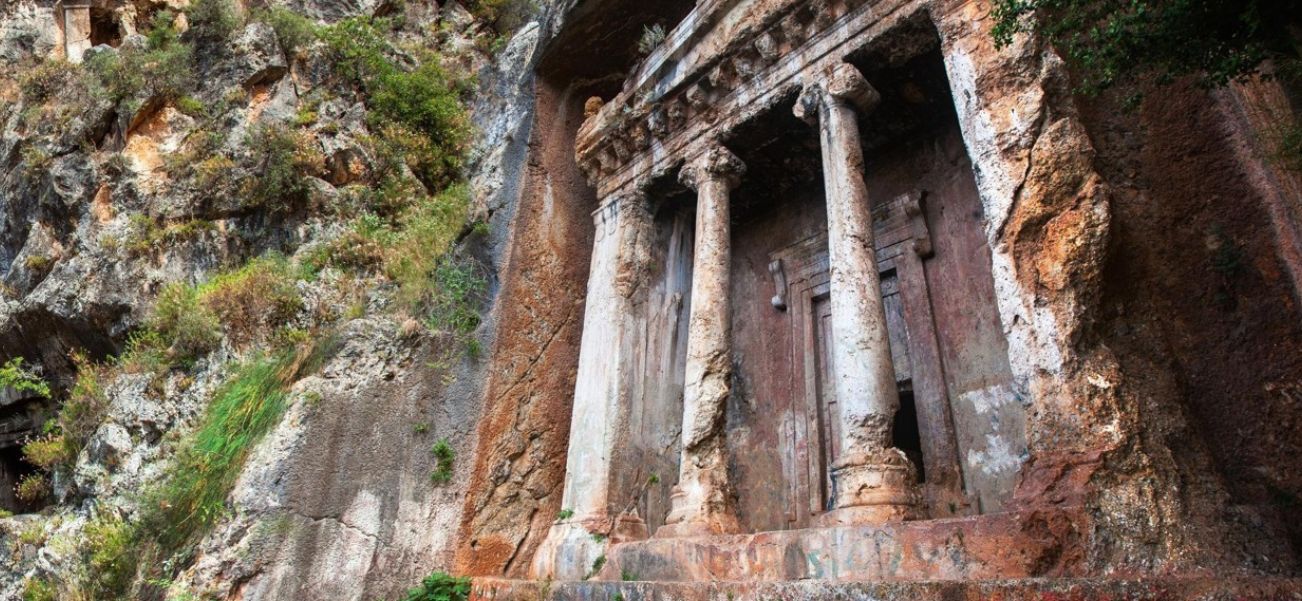
Zeugma Mosaic Museum: Discover the Finest Roman Art in Turkey
Perched above the bustling city of Gaziantep, a modern architectural marvel safeguards the ancient soul of the Roman Empire. The Zeugma Mosaic Museum isn't just another stop on a cultural tour; it is a portal back to 2,000 years ago, offering one of the most profound artistic experiences in the Mediterranean.
In the world of archaeology and art history, few discoveries have captivated the global imagination quite like the rescue of the Zeugma mosaics. Located in Turkey’s southeastern gastronomic capital, Gaziantep, the Zeugma Mosaic Museum (Zeugma Mozaik Müzesi) stands as the largest mosaic museum in the world. Spanning a colossal 30,000 m² (approximately 320,000 sq ft), this state-of-the-art facility houses 2,448 m² of stunning, meticulously preserved mosaic art, replacing the famous Bardo National Museum in Tunis as the global leader in mosaic exhibitions.
Whether you are a history buff, an art lover, or a traveler looking for deep cultural experiences, here is why the Zeugma Mosaic Museum must be at the top of your Turkey itinerary.
ZEUGMA MOSAIC MUSEUM: A ROMAN LEGACY PRESERVED
The Ultimate Turkey Travel Guide: Everything You Need for an Unforgettable Trip
The Ancient City of Zeugma: A History Written in Stone
To understand the importance of the museum, one must first understand the city that lay beneath the soil for centuries. The story of Zeugma begins around 300 BC. It was founded as Seleucia by Seleucus I Nicator, a general in the army of Alexander the Great. However, the city’s name was later changed to Zeugma, meaning "bridge" or "crossing" in ancient Greek, reflecting its vital strategic position on the banks of the Euphrates River.
Under Roman rule, Zeugma became one of the most important commercial and military hubs in the Eastern Roman Empire. At its peak, an estimated 70,000 people inhabited the city. Its wealth wasn't just in trade; it was in culture. The affluent citizens of Zeugma adorned their villas with exquisite floor and wall mosaics, commissioned from master artisans. These weren't just decorative floors; they were status symbols, depicting scenes from Greek mythology, daily life, and the natural world with incredible detail.
The city’s decline began dramatically in 256 AD with a devastating attack by the Sassanid king Shapur I. Though inhabited for centuries after, Zeugma eventually faded into history, its treasures buried under silt and time.
UNESCO World Heritage Sites in Turkey
The Modern Rescue: A Race Against Water
The story of the Zeugma Mosaic Museum is also a story of modern heroism. For decades, the site was known to archaeologists, but a true international emergency arose at the turn of the 21st century. The construction of the Birecik Dam meant that the ancient city of Zeugma would soon be flooded by the rising waters of the Euphrates.
This sparked one of the most urgent and intensive archaeological rescue operations in history. As water levels rose, teams from around the world raced to save what they could. They peeled mosaics from the ground layer by layer, lifting entire frescoes from villa walls, and extracting statues that had been hidden for nearly two millennia. Everything that could be moved was excavated and preserved, transferred to Gaziantep for what would become their permanent, world-class home. The museum officially opened its doors on September 9, 2011, ensuring that the soul of Zeugma would survive the waters.
Istanbul Modern Museum: Your Essential Guide to Turkey's Beacon of Contemporary Art & Culture
Inside the World’s Largest Mosaic Museum
Walking into the Zeugma Mosaic Museum is a breathtaking experience. Unlike traditional museums where artifacts are isolated in glass cases, the Zeugma museum employs an immersive, thematic design. The architects designed the space to mimic the terrace levels of the ancient city itself. Visitors begin their journey at the lowest level, near the Euphrates, and "walk" up through the city as they tour the galleries.
The museum’s collection features:
- 2,448 m² of Roman and Late Antique mosaics
- 140 m² of vibrant frescoes
- 4 authentic Roman fountains
- 20 marble columns
- Limestone statues and architectural fragments
- The world-famous Bronze Statue of Mars
The Iconic "Gypsy Girl" (Maenad Mosaic)
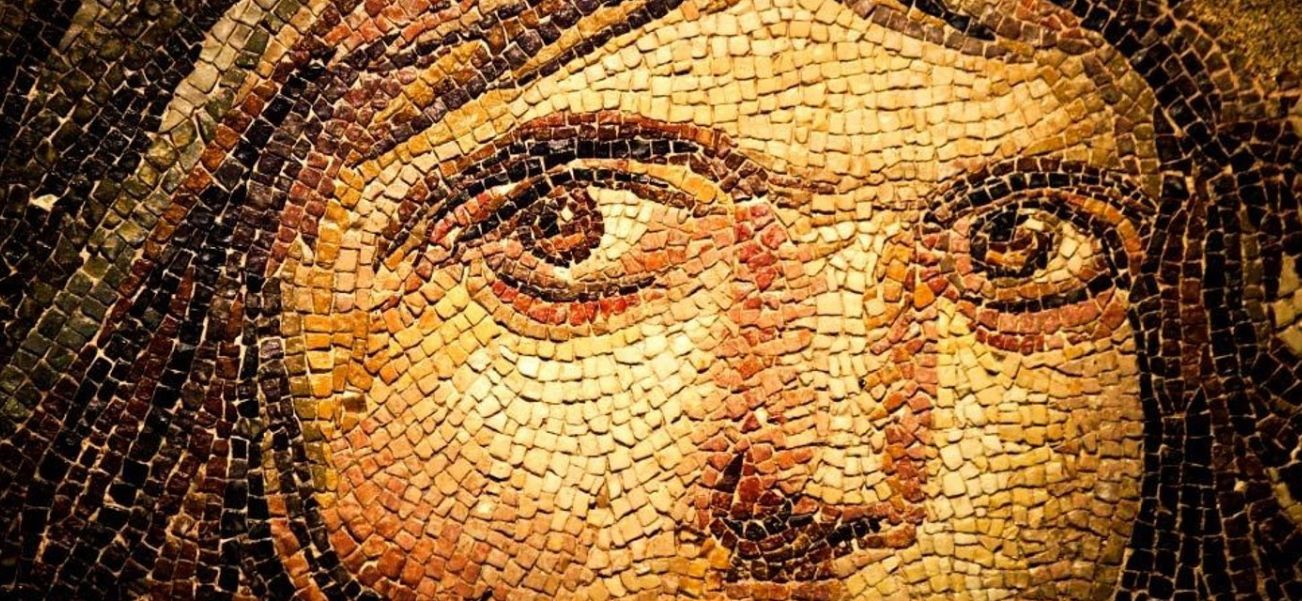
No visit to the museum is complete without spending time with its superstar: the "Gypsy Girl" (Çingene Kızı). Officially identified as a Maenad (a follower of the god Dionysus), this mosaic portrait is celebrated for her haunting, enigmatic eyes. Her gaze seems to follow you around the room, a testament to the incredible skill of the Roman artist who created her from thousands of tiny tesserae (cubes).
The museum curators understood her power. She is displayed in a specially designed, darkened, and labyrinthine room on the second floor. The lighting is dim and mysterious, focusing entirely on her face to emphasize her "misty" and mournful expression.
The Story of Repatriation
The "Gypsy Girl" also represents a modern victory for cultural heritage. In the 1960s, illegal excavations at Zeugma resulted in the smuggling of many artifacts. Twelve fragments of the Gypsy Girl mosaic were sold to Bowling Green State University in the United States in 1965. Thanks to a joint initiative by the Turkish Ministry of Culture and Tourism and the Gaziantep Metropolitan Municipality, these fragments were repatriated in 2018. They have now returned home, reunited with the main body of the mosaic where they belong.
The Bronze Statue of Mars
Dominating the museum’s central hall is the 1.50-meter tall bronze statue of Mars, the Roman god of war. Discovered during the emergency excavations, the statue is remarkably intact. Archaeologists believe the burn marks found on the statue are scars from the Sassanid invasion of 256 AD, adding a layer of tragic historical authenticity to the artifact. Positioned as if he were the protector of the museum, Mars is a powerful reminder of the military might that once ruled Zeugma.
Masterpieces of Mythology
Beyond the individual icons, the museum is a vast gallery of Greco-Roman mythology. The mosaics were often the centerpieces of Roman dining rooms and hallways, and the themes range from the heroic to the romantic. Visitors can marvel at stunning depictions of:
- Achilles and his exploits
- The Triumph of Dionysus
- The birth of Venus
- The tragic love story of Eros and Psyche
- Oceanus and Tethys, showcasing incredible marine imagery
- Danae and the story of Perseus
One of the most famous and intriguing pieces is the "Women at Breakfast" mosaic, sometimes called the "Drama Group," which depicts three women in deep conversation, showcasing the fashion and social life of Roman women.
Visitor Information: How to Experience Zeugma
Planning a visit to the Zeugma Mosaic Museum is easy, and it is conveniently located in the heart of Gaziantep.
- Location Hacıbaba, 51011. Sk. No:25, 27500 Şehitkamil/Gaziantep, Turkey.
- Getting There The museum is easily accessible from the city center by taxi or public transportation. If you are driving, it is located just off the D400 highway.
- Opening Hours The museum is open daily. It is advisable to check the official website or local listings for the most current information, but typically it opens at 8:30 AM, with last admissions around 4:30 PM.
- Entrance Fee There is a standard fee for adults, with discounted rates for students and children. For the most up-to-date ticket prices, it is best to consult the museum's official resources.
Pro-Tips for Your Visit
- Start with the Film Upon entering, watch the 12-minute promotional film (available with 3D glasses) about the ancient city. It provides excellent context and helps you visualize what Zeugma looked like before you see the artifacts.
- Wear Comfortable Shoes The museum is vast, and the marble floors can be slippery. Wear sturdy, comfortable shoes for walking.
- Photography Photography is allowed, but flash photography is strictly prohibited as it damages the ancient colors of the mosaics.
- Allow Ample Time Don't rush. The museum is much larger than it looks from the outside. Plan to spend at least 2-3 hours to truly appreciate the details.
- Use the Audio Guides Kiosks and headsets are available along the tour route, offering detailed explanations of the history and mythology of the mosaics in multiple languages.
- Panoramic Views Don't miss the panoramic viewing platform on the upper floor. It offers an "Insta-worthy" angle over the intricate floor mosaics below.
Resilience and Relevance
In a testament to the quality of its construction and the care of its curators, the Zeugma Mosaic Museum survived the devastating Mw 7.8 2023 Turkey–Syria earthquake virtually unscathed, even as much of Gaziantep suffered heavy damage. All museum staff survived, and the museum proudly reopened its doors in April 2023, just two and a half months after the disaster, standing as a symbol of resilience and the enduring power of art.
Final words...
The Zeugma Mosaic Museum is more than just a collection of old floors; it is the preserved memory of a lost Roman city. It offers a vivid snapshot of life, belief, and art on the eastern frontier of the Roman Empire. From the haunting eyes of the Gypsy Girl to the towering strength of the Mars statue, every exhibit tells a story of conquest, culture, and creativity.
If you find yourself in Turkey, a trip to Gaziantep—the culinary capital of the country—paired with a visit to the Zeugma Mosaic Museum offers a perfect blend of taste and history. It is, without doubt, a journey to the heart of the ancient world.
Turkish Language Materials