

What to Know Before Traveling to Turkey: The Complete Traveler's Guide
Planning a trip to Turkey? Discover essential Turkey travel tips—visa requirements, currency, safety, culture, food, and packing advice—in this complete guide for first-time visitors.
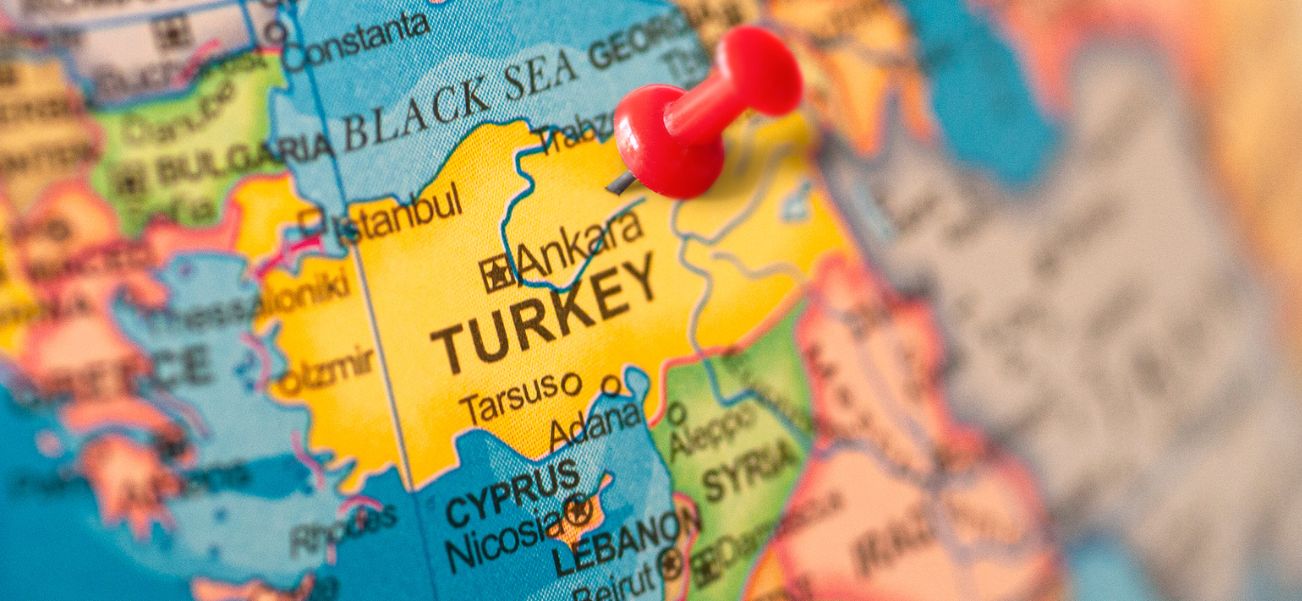
Turkey is one of the world's most captivating travel destinations. Straddling Europe and Asia, this transcontinental country offers ancient ruins, stunning coastlines, vibrant bazaars, and warm hospitality. But before you book that flight to Istanbul or dream of a Cappadocia hot air balloon ride, there are important things to know to make your Turkey trip smooth, safe, and unforgettable. This comprehensive Turkey travel guide covers everything first-time visitors need—from visa requirements and currency to cultural etiquette, food, transportation, and safety. Let's dive in.
WHAT TO KNOW BEFORE TRAVELING TURKEY

1. Visa Requirements and Entry Rules for Turkey
One of the first things to know before traveling to Turkey is its visa policy. Many nationalities—including citizens of the UK, most EU countries, and several others—can enter Turkey visa-free for up to 90 days within a 180-day period. Travelers from the US, Canada, and Australia typically need an e-Visa, which is easily obtained online through the official Turkish government website.
Always apply through the official portal to avoid overpaying on third-party sites. Your passport should be valid for at least 150 days beyond your entry date, and some airlines require six months. Check the latest rules on the official Republic of Turkey e-Visa website before departure, as policies change frequently.
More information about Turkey Visa Requirements and Application
2. Currency, Money, and Tipping in Turkey

The official currency is the Turkish Lira (TRY), symbolized by ₺. Inflation has affected the lira in recent years, so exchange rates fluctuate. It's best to withdraw cash from ATMs (look for ones attached to major banks like Ziraat, Garanti, or İş Bankası) and carry some cash for small purchases, markets, and rural areas.
Credit cards are widely accepted in cities, hotels, and restaurants, but bazaars, taxis, and small shops often prefer cash. Tipping is customary: around 10% in restaurants, small amounts for hotel staff, and rounding up for taxis. Don't exchange money at airports—rates are poor. Use exchange offices (döviz) in city centers for better deals.
3. Best Time to Visit Turkey

Timing your Turkey trip is crucial. The best time to visit is spring (April–June) and autumn (September–November), when the weather is mild and crowds are manageable. Summer (July–August) brings hot temperatures, especially along the Mediterranean and Aegean coasts, plus peak prices and crowds.
Winter (December–February) is cold in Istanbul and Anatolia but ideal for skiing in places like Erzurum and Uludağ. If you're planning a Cappadocia hot air balloon ride, spring and autumn offer the clearest skies. Ramadan and major Turkish holidays like Kurban Bayramı can affect business hours and transport, so check the calendar before booking.
More information about Best Time To Visit Turkey
4. Language and Communication

Turkish is the official language, and while English is spoken in tourist areas, learning a few phrases goes a long way. Try "Merhaba" (hello), "Teşekkür ederim" (thank you), "Lütfen" (please), and "Ne kadar?" (how much?). Turks genuinely appreciate visitors who make an effort.
Google Translate works well offline if you download Turkish beforehand. Wi-Fi is widely available in hotels, cafes, and restaurants, and local SIM cards (Turkcell, Vodafone, Türk Telekom) are affordable—just remember your phone must be registered if you stay longer than a few weeks.
Learn Turkish yourself with Dem Turkish Center!
5. Transportation: Getting Around Turkey

Turkey has an excellent transportation network. Domestic flights connect Istanbul, Ankara, Izmir, Antalya, and Cappadocia quickly and affordably. Intercity buses are comfortable, frequent, and cheap, with overnight routes saving on accommodation. In Istanbul, use the Istanbulkart for trams, metros, ferries, and buses—it's essential for navigating the city.
High-speed trains link Istanbul, Ankara, and Konya. Taxis are plentiful but always insist on the meter (taksimetre). Renting a car is great for exploring the Aegean and Mediterranean coasts, but driving in Istanbul is best avoided.
6. Cultural Etiquette and Customs

Understanding Turkish culture enhances your experience. Turkey is a Muslim-majority country but secular, and dress codes are relaxed in cities. However, when visiting mosques—like the Blue Mosque or Hagia Sophia—cover your shoulders, knees, and head (women). Remove shoes before entering.
Hospitality is sacred; if offered tea, accept it. Respect elders and use your right hand for eating and giving. Public displays of affection are common in cities but more conservative in rural areas. Avoid discussing sensitive political topics. Learning about Turkish customs shows respect and often opens doors to warmer interactions.
7. Food and Drink: What to Expect

Turkish cuisine is world-renowned, and food is central to the travel experience. Expect kebabs, meze, pide, lahmacun, börek, and fresh seafood along the coasts. Breakfast (kahvaltı) is a feast of cheeses, olives, eggs, and bread. Street food like simit, döner, and balık ekmek is cheap and delicious.
Vegetarians are well catered for with vegetable dishes, though confirm if dishes contain meat stock. Tap water isn't recommended; drink bottled water. Turkish tea and coffee are cultural staples—try them everywhere. Alcohol is available but limited in conservative areas, especially during Ramadan.
8. Accommodation: Where to Stay in Turkey

Turkey offers accommodation for every budget—from luxury resorts in Antalya and Bodrum to budget hostels in Istanbul and cave hotels in Cappadocia. Booking ahead is wise during peak season and holidays.
In Istanbul, areas like Sultanahmet (historic), Beyoğlu (nightlife), and Kadıköy (local vibe) suit different travelers. Cave hotels in Göreme offer unique Cappadocia stays. Always check reviews and location relative to attractions. Turkish hospitality means many hotels offer excellent service, breakfast, and help arranging tours.
9. Safety in Turkey: Is It Safe to Travel?

Turkey is generally safe for tourists, with low rates of violent crime. Exercise normal precautions: avoid isolated areas at night, watch for pickpockets in crowded bazaars, and use licensed taxis. The U.S., UK, and other governments advise caution near the Syrian border and parts of southeastern Turkey—check current advisories before traveling there.
Istanbul, Cappadocia, the Aegean, and Mediterranean coasts are popular and safe. Women travelers report feeling comfortable, though some attention may occur; dressing modestly helps. Register with your embassy and have travel insurance that covers medical care.
10. Health, Vaccines, and Travel Insurance

Before traveling to Turkey, check routine vaccines are up to date. Some travelers consider hepatitis A and typhoid vaccines. Healthcare in cities is good, but travel insurance is essential—it covers medical emergencies, cancellations, and lost luggage.
Pharmacies (eczane) are common and staff are helpful. Carry any prescription medications in original packaging with a doctor's note. In summer, use sun protection and stay hydrated. Air quality is fine in most tourist areas.
11. Packing Essentials for Turkey

Pack smart for Turkey's diverse climate and culture. Bring comfortable walking shoes, modest clothing for mosques, a scarf for women, layers for variable weather, and a swimsuit for coastal areas. A power adapter (Type C/F, 230V) is needed for most foreign plugs.
Sunscreen, sunglasses, and a hat are essential in summer. A small daypack, reusable water bottle, and phrasebook or translation app help daily. Don't overpack—Turkey has excellent shopping, from bazaars to malls.
12. Shopping and Bargaining in Turkey

Shopping in Turkey is an experience. The Grand Bazaar and Spice Bazaar in Istanbul are legendary, while local markets offer textiles, ceramics, carpets, and spices. Bargaining is expected in bazaars and markets—start low, stay friendly, and be willing to walk away.
Fixed prices apply in malls and chain stores. Beware of overly aggressive sellers and always check quality. Turkish carpets, leather goods, and jewelry make wonderful souvenirs, but do your research to avoid fakes.
Beyond the Evil Eye: 30 Authentic Turkish Souvenirs for a Memorable Turkey Trip
13. Internet, SIM Cards, and Staying Connected

Staying connected is easy. Buy a local SIM card at the airport or city stores—Turkcell, Vodafone, and Türk Telekom offer tourist packages. Note: phones not registered in Turkey may work only for a limited period on local SIMs, so check rules.
Wi-Fi is reliable in hotels and cafes. Download offline maps and translation apps. Social media access is generally unrestricted, though occasional blocks occur.
14. Money-Saving Tips for Turkey Travel

Turkey can be affordable. Save money by traveling off-season, eating at local restaurants (lokanta) and street stalls, using public transport, and booking accommodations with breakfast included. Free walking tours exist in Istanbul and other cities.
Many attractions offer museum passes (e.g., Museum Pass Istanbul) that save on entry fees. Avoid tourist-trap restaurants near major sites. Exchange money wisely and use ATMs with low fees.
15. Final Turkey Travel Tips
Before you go, learn a few Turkish phrases, check your passport validity, get travel insurance, and download essential apps (Google Maps offline, BiTaksi, Turkish Airlines). Respect local customs, stay informed about current events, and embrace Turkish hospitality. Turkey rewards curious travelers with unforgettable landscapes, history, and food. With this Turkey travel guide, you're ready to explore with confidence.
Your Turkey Adventure Starts Here
Traveling to Turkey is a journey through civilizations, coastlines, and cultures. Knowing the essentials—visa rules, currency, safety, etiquette, and packing—ensures a smooth, enriching trip. Whether you're cruising the Bosporus, floating over Cappadocia, or relaxing on Mediterranean beaches, Turkey will captivate you. Use this guide to plan wisely, travel respectfully, and make the most of every moment.
İyi yolculuklar - Have a good trip!
Turkish Language Materials