


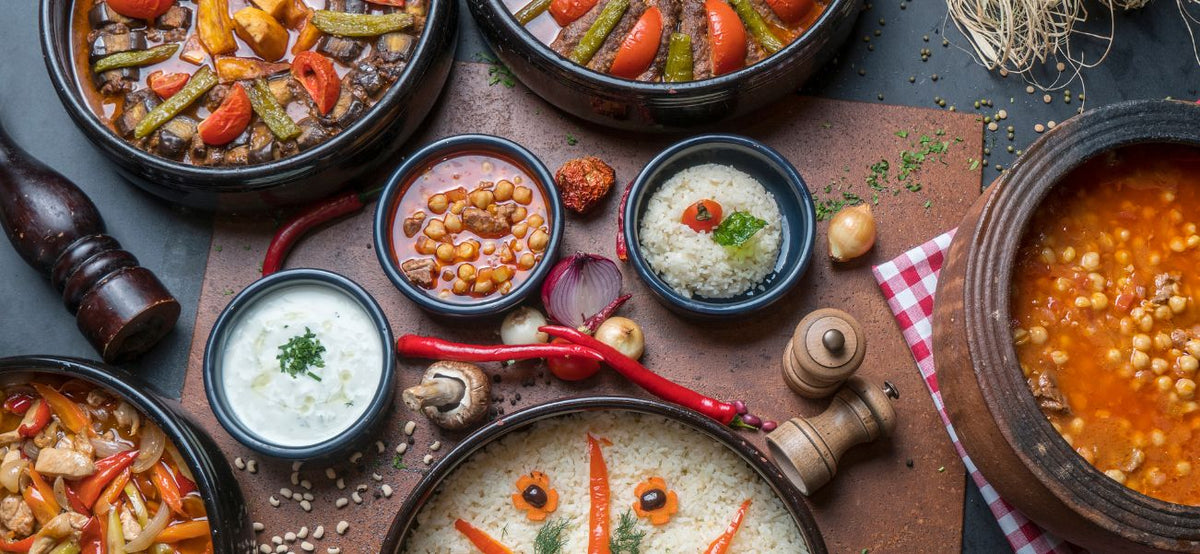
Turkish Gastronomy: A Guide to Turkish Cuisine
Discover Turkish gastronomy, from traditional dishes and regional specialties to famous desserts, tea, coffee and the rich culinary traditions of Turkey.
Turkish gastronomy is a fascinating reflection of Türkiye's history, geography, cultural diversity, and centuries-old culinary traditions. From sizzling kebabs and freshly baked bread to delicate pastries, flavorful mezes, and traditional desserts, Turkish cuisine offers an extraordinary variety of tastes and experiences. However, Turkish food is about much more than delicious recipes. It also represents hospitality, family traditions, regional identity, and the pleasure of sharing a meal.
Situated at the crossroads of Europe and Asia, Turkey has developed a distinctive culinary culture shaped by migration, trade, agriculture, and interactions between different civilizations. Its diverse landscapes, ranging from fertile plains and mountainous regions to Mediterranean coastlines, provide an abundance of ingredients that influence local cooking traditions.
Whether you are exploring the bustling food markets of Istanbul, tasting pistachio baklava in Gaziantep, enjoying olive-oil dishes along the Aegean coast, or discovering seafood specialties beside the Black Sea, you will encounter a cuisine that changes from one region to another.
In this guide, we will explore the history of Turkish gastronomy, its main ingredients, famous dishes, regional specialties, traditional drinks, and the cultural traditions that make Turkish cuisine an important part of everyday life in Türkiye.
TURKISH GASTRONOMY: A JOURNEY THROUGH TURKEY'S CULINARY TRADITIONS

1. WHAT IS TURKISH GASTRONOMY?

Turkish gastronomy encompasses the foods, beverages, cooking techniques, ingredients, traditions, and social customs associated with Turkish culinary culture. It includes everything from everyday home-cooked meals and traditional village recipes to elaborate Ottoman-inspired dishes and contemporary restaurant creations.
One of the most remarkable characteristics of Turkish gastronomy is its diversity. Although certain foods, such as kebabs, baklava, and Turkish coffee, are internationally recognized, they represent only a small part of the country's culinary heritage.
Turkish cuisine makes extensive use of grains, vegetables, legumes, meat, dairy products, herbs, fruits, and olive oil. Soups, stuffed vegetables, grilled meats, pastries, and rice dishes are common in different parts of the country, but their ingredients and preparation methods often vary according to local traditions.
Another defining characteristic is the importance of sharing food. Meals frequently bring families, friends, and neighbors together, while offering food and drinks to guests is widely associated with hospitality.
Turkish gastronomy also reflects the relationship between people and their environment. Seasonal produce, regional agricultural products, local cooking techniques, and methods of preserving food have helped shape the cuisine over generations.
Consequently, understanding Turkish gastronomy means exploring not only what people eat but also how food is prepared, served, celebrated, and passed from one generation to the next.
2. THE HISTORY AND ORIGINS OF TURKISH GASTRONOMY

The history of Turkish gastronomy extends across centuries and reflects the movement of peoples, the development of agriculture, and the interaction of different cultures.
Central Asian Roots
Early Turkic communities in Central Asia developed food traditions influenced by pastoralism and their surrounding environment. Livestock played an important role in everyday life, making meat and dairy products significant components of their diets.
Milk was processed into products such as yogurt and other preserved dairy foods, while meat could be dried or otherwise preserved for later consumption. Grains and other available agricultural products also contributed to traditional meals.
These historical food practices form part of the broader background of Turkish culinary culture, although individual modern dishes cannot always be traced directly to a single ancient origin.
Anatolia and Its Agricultural Heritage
When Turkic communities settled in Anatolia, they encountered an established agricultural landscape and interacted with the region's existing populations and culinary traditions.
Anatolia's fertile plains and varied climate supported the cultivation of wheat, barley, grapes, olives, legumes, fruits, and vegetables. Over time, these ingredients became central to numerous regional food traditions.
The resulting cuisine developed through a combination of inherited practices, locally available ingredients, and cultural exchange. This process helps explain why Turkish gastronomy contains such a wide range of dishes and preparation methods.
Seljuk and Ottoman Culinary Traditions
The Seljuk period contributed to the development of culinary traditions in Anatolia. Later, the Ottoman Empire brought together communities from different regions, creating further opportunities for ingredients, recipes, and cooking techniques to circulate.
Ottoman palace kitchens became important centers of culinary development, employing cooks who prepared elaborate meals for the court. Rice dishes, stuffed vegetables, soups, pastries, sherbets, and desserts formed part of a sophisticated culinary culture.
However, palace cuisine was only one aspect of the broader food landscape. Ordinary households, regional communities, markets, and local producers continued to maintain their own traditions.
Ottoman Cuisine: Exploring the Rich Flavors of Imperial Cuisine
Turkish Cuisine in Modern Turkey
During the twentieth century and beyond, migration, urbanization, tourism, and changing lifestyles influenced how Turkish food was prepared and consumed.
Traditional home cooking continued alongside restaurants, bakeries, street-food vendors, and modern dining establishments. Today, Turkish gastronomy combines longstanding culinary practices with contemporary interpretations, while regional specialties remain an important source of cultural identity.
3. THE MAIN INGREDIENTS OF TURKUSH CUISINE

The ingredients used in Turkish cooking reflect the country's climate, agricultural production, and regional diversity.
Grains and Bread
Wheat is one of the most important ingredients in Turkish gastronomy. Bread accompanies many meals, while bulgur, rice, and other grains are used in soups, pilafs, stuffed vegetables, and numerous regional dishes.
Simit, a sesame-covered bread ring, is a familiar sight in Turkish cities. Pide and various traditional breads are also widely enjoyed, with different regions producing their own versions.
Vegetables, Legumes, and Herbs
Eggplants, tomatoes, peppers, onions, zucchini, and leafy vegetables appear in many Turkish recipes. Legumes such as lentils, chickpeas, and beans are equally important, providing the foundation for soups, stews, salads, and home-cooked dishes.
Fresh herbs, including parsley, mint, and dill, contribute distinctive aromas. Seasonings such as cumin, black pepper, red pepper, and sumac are used according to the dish and regional tradition.
Meat and Dairy Products
Lamb, beef, and chicken feature in kebabs, stews, grilled dishes, and other traditional meals. Meat consumption and preparation methods vary between regions and households.
Yogurt is particularly versatile. It can accompany rice and meat dishes, form the basis of sauces and soups, or be served as a drink when mixed with water and salt.
Cheese, butter, and other dairy products also play important roles in breakfast traditions and regional cooking.
Olive Oil, Nuts, and Fruit
Olive oil is especially prominent in Aegean and Mediterranean cooking, where vegetables and herbs are frequently prepared in olive-oil-based dishes.
Pistachios, walnuts, hazelnuts, and almonds appear in desserts and other recipes. Turkey also produces a wide variety of fruits, including figs, grapes, apricots, cherries, and pomegranates.
These ingredients demonstrate how Turkish cuisine combines agricultural abundance with regional knowledge and seasonal eating habits.
Top 10 Turkish Dishes in Olive Oil
4. REGIONAL DIVERSITY IN TURKISH GASTRONOMY
One of the most interesting aspects of Turkish gastronomy is the diversity found across the country's regions. Geography, climate, local agriculture, historical connections, and cultural traditions all influence what people cook and eat.
Aegean and Mediterranean Cuisine

The Aegean and Mediterranean regions are known for their vegetables, fresh herbs, olive oil, seafood, and seasonal produce.
Artichokes, zucchini, eggplants, olives, and leafy greens feature prominently in many local dishes. Olive-oil preparations, including stuffed vegetables and vegetable stews, are especially characteristic of the Aegean culinary tradition.
Coastal towns also offer a variety of fish and seafood. In places such as Izmir, Aydin, Mugla, and Antalya, visitors can discover regional specialties alongside familiar Turkish dishes.
Southeastern Anatolian Cuisine

Southeastern Anatolia is particularly celebrated for its richly seasoned dishes, grilled meats, regional breads, and desserts.
Gaziantep is famous for its pistachio baklava and diverse culinary traditions. Adana is associated with Adana kebab, while Şanlıurfa has its own distinctive kebab traditions and regional specialties.
Bulgur, peppers, spices, herbs, and locally produced ingredients contribute to the character of this region's food. Meals often combine strong flavors with carefully developed cooking techniques.
The region demonstrates how culinary traditions can become closely connected to local identity and pride.
Black Sea Cuisine

The Black Sea region has a culinary culture shaped by its coastal geography, rainfall, agricultural production, and local ingredients.
Anchovies, known as hamsi in Turkish, are especially important in many coastal communities. They are prepared in different ways and may appear in fried dishes, baked preparations, and rice dishes.
Cornmeal, corn bread, hazelnuts, leafy vegetables, and dairy products also contribute to regional cooking.
One well-known specialty is kuymak, also called mıhlama in some areas. This warm dish combines cornmeal, cheese, and butter to create a rich, comforting preparation.
Trabzon and Rize are among the destinations where visitors can explore the region's distinctive food traditions.
Central Anatolian Cuisine

Central Anatolia is associated with grains, legumes, pastries, and hearty meals that reflect its agricultural and pastoral heritage.
Kayseri is famous for mantı, small filled dumplings traditionally served with yogurt and a seasoned sauce. Konya is known for etli ekmek, a long, thin flatbread topped with a savory meat mixture.
Soups, bulgur dishes, breads, and oven-baked specialties are also important in the region.
Although these foods are available elsewhere in Turkey, tasting them in their associated regions can offer a deeper appreciation of their local culinary traditions.
Eastern Anatolian Cuisine

Eastern Anatolia's mountainous landscape and colder winters have helped shape its traditional food culture.
Meat dishes, dairy products, regional cheeses, grains, and hearty meals are prominent in many local cuisines. Erzurum is associated with cağ kebabı, while Kars is known for its cheese-making traditions.
Van also has a distinctive breakfast culture featuring a variety of cheeses, dairy products, and other local ingredients.
These regional traditions illustrate how climate, local resources, and historical practices influence the ingredients and cooking methods used in Turkish cuisine.
Marmara and Istanbul

The Marmara region, particularly Istanbul, offers an especially diverse culinary landscape.
For centuries, Istanbul has been a center of trade, migration, and cultural exchange. Its food culture reflects influences from Anatolia, the Balkans, the Mediterranean, and the wider Ottoman world.
Visitors can discover traditional bakeries, seafood restaurants, street-food stalls, historic sweet shops, and establishments serving regional dishes from across Turkey.
This diversity makes Istanbul an excellent starting point for exploring Turkish gastronomy.
5. FAMOUS TRADITIONAL TURKISH DISHES
Turkish cuisine includes an enormous variety of dishes, ranging from simple everyday meals to elaborate regional specialties.
Kebabs and Grilled Dishes
Kebabs are among the best-known representatives of Turkish gastronomy, but the term covers many different preparations.
Döner kebab is made by cooking seasoned meat on a vertical rotating spit and slicing it into thin pieces. It can be served in bread, as a wrap, or on a plate with rice, vegetables, and accompaniments.
Şiş kebab consists of pieces of meat cooked on skewers, while Adana kebab is known for its seasoned minced meat and characteristic preparation. Urfa kebab is another regional specialty, generally associated with a milder seasoning profile than Adana kebab, although recipes vary.
Iskender kebab, associated with Bursa, combines thinly sliced döner meat with bread, tomato sauce, yogurt, and melted butter.
Top 10 Turkish Kebab Dishes You MUST Try!
Traditional Home-Cooked Dishes
Home cooking is an essential part of Turkish gastronomy.
Kuru fasulye, a bean dish prepared in a savory sauce, is a familiar example of Turkish comfort food. It is often served with rice and may be prepared with or without meat.
İmam bayıldı is an eggplant dish filled with onions, garlic, and tomatoes, traditionally cooked with olive oil. It is an excellent example of the vegetable-based preparations found in Turkish cuisine.
Dolma and sarma refer to different types of stuffed or filled foods. Vegetables such as peppers and zucchini may be stuffed with rice or other fillings, while vine leaves and cabbage leaves can be wrapped around seasoned mixtures.
Menemen, made with eggs, tomatoes, and peppers, is another popular dish, particularly at breakfast.
Soups, Dumplings, and Grain Dishes
Soups are common in Turkish meals, with lentil soup among the most familiar varieties. Ezogelin çorbası, prepared with ingredients such as lentils, bulgur, and rice, is another traditional favorite.
Mantı consists of small filled dumplings, commonly served with yogurt and a seasoned butter or oil sauce. The shape, size, filling, and serving style vary by region.
Rice pilaf and bulgur pilaf are also widely consumed. They can accompany meat dishes or form part of a larger meal alongside vegetables, yogurt, and salads.
Other notable specialties include lahmacun, a thin dough topped with a seasoned meat mixture, and pide, a family of baked dishes with various toppings.
Together, these foods demonstrate that Turkish gastronomy encompasses far more than the kebabs most commonly recognized abroad.
6. TURKISH MEZE, APPETIZERS, AND THE ART OF SHARING
Meze is an important part of Turkish dining culture. These small dishes are served before or alongside a main course and are particularly popular in seafood restaurants, traditional eateries, and social gatherings.
Rather than being simply appetizers, mezes encourage people to share food, enjoy conversation, and spend time together around the table.
Popular Turkish mezes include haydari, a thick yogurt-based dip; acılı ezme, a spicy preparation made with finely chopped vegetables; and cacık, a refreshing mixture of yogurt, cucumber, and seasonings.
Şakşuka, prepared with vegetables such as eggplant and peppers, is another familiar dish, although its ingredients and preparation vary. Hummus, made with chickpeas and tahini, is also found on many Turkish meze menus.
Mezes are often accompanied by bread, olives, salads, and other small dishes. Their ingredients depend on the season, the region, and the restaurant.
The tradition of sharing food reflects an important aspect of Turkish hospitality. A table filled with different dishes creates an opportunity for friends and family to gather, try new flavors, and enjoy a leisurely meal.
For visitors exploring Turkish gastronomy, ordering a selection of mezes is an excellent way to discover several ingredients and preparations in one sitting.
Turkish Foods: Meze - A Flavorful Tradition
7. TURKISH BREAD, PASTRIES, AND STREET FOOD
Bread and baked goods occupy an important place in Turkish culinary culture. From neighborhood bakeries to busy street corners, freshly prepared bread and pastries are part of everyday life throughout the country.
Simit is one of Turkey's most recognizable baked foods. This circular bread, covered with sesame seeds, is commonly eaten for breakfast or as a snack, often accompanied by tea.
Pide refers to several types of flatbread and baked dishes. Depending on the variety, it may be served as bread or topped with ingredients such as cheese, minced meat, or vegetables.
Börek is another popular pastry made with thin layers of dough and fillings such as cheese, spinach, or minced meat. It is enjoyed at breakfast, as a snack, or as part of a larger meal.
Turkish street food offers an equally fascinating range of flavors. In Istanbul, balık ekmek, a fish sandwich, is particularly associated with the waterfront. Kumpir, a baked potato mixed with butter and cheese and topped with a choice of fillings, is another popular street-food option.
Other specialties include midye dolma, stuffed mussels, and kokoreç, a grilled offal dish enjoyed by many street-food enthusiasts.
Street food is an accessible way to experience Turkish gastronomy. It reflects the rhythm of everyday life, the skills of local vendors, and the variety of foods available across different cities.
Most Popular Turkish Foods & Dishes You Must Try!
8. TURKISH DESSERTS AND THE CULTURE OF SWEETS
Turkish desserts are an essential part of the country's culinary heritage. They range from rich pastries and syrup-soaked sweets to milk puddings, fruit-based preparations, and traditional festive desserts.
Baklava and Regional Pastries
Baklava is among the most internationally recognized Turkish desserts. It is made with thin layers of pastry, a filling of nuts, and a sweet syrup or other traditional sweetening preparation.
Gaziantep is especially famous for its pistachio baklava, which is closely associated with the city's culinary identity.
Other pastry traditions feature different nuts, fillings, doughs, and preparation techniques, demonstrating the regional diversity of Turkish desserts.
Milk-Based Desserts
Not every Turkish dessert is rich in syrup. Milk-based sweets offer different textures and flavors.
Sütlaç is a traditional rice pudding, while kazandibi is a milk-based dessert known for its caramelized surface.
Tavuk göğsü is a distinctive traditional pudding prepared with milk and finely processed chicken breast. Although the ingredient may surprise visitors, the resulting dessert is smooth and delicate.
Traditional Sweets and Festive Foods
Lokum, widely known as Turkish delight, is a soft confection that comes in many flavors and varieties. It is often served with Turkish coffee or offered to guests.
Künefe combines shredded pastry with cheese and sweet syrup, producing a warm dessert with contrasting textures.
Aşure, sometimes called Noah's pudding in English, is prepared with ingredients that may include grains, legumes, dried fruits, and nuts. It has cultural and religious significance for many communities and is traditionally associated with sharing.
Helva is another broad category of sweets with numerous variations.
Turkish desserts are enjoyed during everyday visits, celebrations, holidays, and family gatherings. Their variety reflects the country's long history of pastry-making and sweet preparation.
Best Turkish Desserts & Sweets in Turkey
9. TURKISH DRINKS: TEA, COFFEE, AND TRADITIONAL BEVERAGES
Drinks are an essential part of Turkish gastronomy and social life. Tea and coffee, in particular, are closely connected to hospitality, conversation, and daily routines.
Turkish Tea
Turkish tea, known as çay, is commonly prepared using black tea leaves and served in small, tulip-shaped glasses.
It is enjoyed throughout the day in homes, offices, shops, cafés, and restaurants. Offering tea to a visitor is a familiar expression of hospitality, and conversations often continue over several glasses.
Tea culture is not limited to a particular meal or occasion. It is woven into everyday life, making it one of the most recognizable elements of Turkish culture.
Turkish Tea 101: Everything You Need to Know About This Iconic Drink
Turkish Coffee
Turkish coffee is prepared using very finely ground coffee, water, and optional sugar. The ingredients are traditionally heated slowly in a small pot called a cezve, producing a strong coffee with a characteristic layer of foam.
It is served in small cups, generally with the grounds remaining at the bottom. A glass of water and sometimes a sweet accompaniment may also be offered.
Turkish coffee culture and tradition were inscribed on UNESCO's Representative List of the Intangible Cultural Heritage of Humanity in 2013. The recognition emphasizes not only preparation methods but also the beverage's role in hospitality, friendship, social gatherings, and ceremonies.
Turkish Coffee 101: A Beginner's Guide to This Timeless Tradition
Other Traditional Beverages
Ayran is a refreshing yogurt-based drink commonly served with meals, particularly grilled foods.
Şalgam, a fermented beverage made using ingredients such as purple carrots, is strongly associated with southern Türkiye and is often served alongside kebabs.
Boza is a thick fermented grain drink with a distinctive flavor, while şerbet refers to various traditional sweet beverages prepared using ingredients such as fruits, flowers, spices, or herbs.
Together, these drinks reveal how Turkish culinary traditions extend beyond food to include distinctive ways of welcoming guests and sharing everyday experiences.
10. TURKISH FOOD CULTURE, HOSPITALITY, AND DINING ETIQUETTE
Food in Turkey is closely connected to hospitality, family life, and social relationships. Meals are often opportunities to bring people together, celebrate important occasions, and maintain connections between generations.
The Importance of Hospitality
Offering food or drinks to guests is a familiar expression of Turkish hospitality. Visitors may be welcomed with tea, coffee, sweets, or a meal, depending on the occasion and household.
Sharing food is often considered a gesture of generosity and warmth. Recipes passed down through families also help preserve cultural traditions and regional identities.
The Turkish Breakfast Tradition
Turkish breakfast, or kahvaltı, can be a substantial meal featuring bread, cheese, olives, tomatoes, cucumbers, eggs, jams, honey, and tea.
Turkish Breakfast: A Complete Guide to the Ultimate "Kahvalti" Feast
The exact selection varies by region and household. Some breakfasts are simple and practical, while weekend breakfasts may involve an elaborate spread shared over a leisurely morning.
Regional cheeses, breads, and other local products can make breakfast an excellent introduction to the country's culinary diversity.
Family Meals and Special Occasions
Food plays an important role in weddings, religious holidays, family celebrations, and community gatherings. Special dishes may be prepared for particular occasions, while recipes and cooking techniques are passed between generations.
For visitors, a few simple habits can make dining experiences more enjoyable: show interest in unfamiliar dishes, ask about ingredients when necessary, and appreciate the social customs surrounding the meal.
Although traditions differ between families and regions, hospitality remains a meaningful theme in Turkish food culture.
11. TRADITIONAL COOKING METHODS AND CULINARY TECHNIQUES
The diversity of Turkish gastronomy is partly explained by the wide range of cooking methods used throughout the country.
Grilling and Open-Fire Cooking
Grilling is particularly important in the preparation of kebabs and other meat dishes. Cooking over charcoal or an open fire can create distinctive aromas and textures, while the choice of meat, seasoning, and preparation method varies by region.
Vegetables may also be grilled and served with olive oil, yogurt, herbs, or sauces.
Slow Cooking and Oven Baking
Many traditional Turkish dishes are prepared slowly to develop their flavors. Stews, casseroles, and certain regional meat dishes benefit from extended cooking, while clay-pot preparations are associated with several local culinary traditions.
Ovens are equally important for breads, pastries, and baked dishes. Local bakeries continue to play an important role in the preparation of everyday foods.
Stuffing, Wrapping, and Preserving
Stuffed vegetables and wrapped leaves demonstrate the skill involved in preparing dolma and sarma. Depending on the recipe, fillings may contain rice, herbs, vegetables, or meat.
Traditional food preservation methods include drying fruits and vegetables, pickling produce, making jams, and preparing ingredients for use outside their growing season.
Fermentation is also used in products such as yogurt and certain traditional beverages.
These techniques reflect generations of culinary knowledge developed to make effective use of local ingredients and preserve seasonal abundance.
12. TURKISH GASTRONOMY IN THE MODERN WORLD
Turkish gastronomy continues to evolve while maintaining strong connections to regional traditions and historical influences.
Turkish Cuisine Around the World
Turkish restaurants and food businesses have introduced dishes such as kebabs, baklava, and other specialties to international audiences.
Turkish communities living abroad have also contributed to the spread and adaptation of the cuisine. As a result, some dishes have become familiar in countries far beyond Turkey, although their preparation may differ from local versions.
Contemporary Chefs and Restaurants
Modern Turkish restaurants combine traditional ingredients and cooking techniques with contemporary presentation and creative approaches.
Some chefs focus on regional recipes, local producers, and seasonal ingredients, while others reinterpret familiar dishes for modern dining experiences.
This relationship between tradition and innovation helps keep Turkish gastronomy relevant to new generations of diners.
Sustainability and Culinary Heritage
Seasonal eating, preserving ingredients, and making use of locally available produce have long been part of many Turkish food traditions.
Today, these practices offer opportunities to connect culinary heritage with sustainability. Supporting local producers, protecting traditional knowledge, and reducing food waste can help preserve the resources and skills that make regional cuisines distinctive.
The future of Turkish gastronomy depends not only on promoting famous dishes but also on maintaining the cultural knowledge behind everyday cooking.
13. UNESCO AND THE RECOGNITION OF TURKISH CULINARY HERITAGE
International recognition has helped draw attention to the cultural importance of Turkish food and drink traditions.
Turkish coffee culture and tradition were added to UNESCO's Representative List of the Intangible Cultural Heritage of Humanity in 2013. The inscription recognizes the preparation and serving of coffee alongside its role in friendship, hospitality, social occasions, and everyday conversation.
Turkey is also home to cities recognized through UNESCO's Creative Cities Network for their contributions to gastronomy. Gaziantep joined the network in 2015 in the field of gastronomy, reflecting the importance of food to its local identity and cultural life.
These forms of recognition serve different purposes. Intangible cultural heritage inscriptions focus on living practices and traditions, while the Creative Cities Network promotes cooperation and the role of creativity in sustainable urban development.
Such initiatives can encourage culinary research, support local food traditions, and introduce regional specialties to a wider audience.
For travelers, they also provide an additional reason to explore the stories, ingredients, and techniques behind Turkey's rich culinary landscape.
UNESCO World Heritage Sites in Turkey
14. HOW TO EXPERIENCE TURKISH GASTRONOMY AS A VISITOR
One of the best ways to understand Turkish gastronomy is to experience it firsthand. Sampling local dishes, visiting food markets, and learning about regional ingredients can reveal aspects of Turkish culture that are difficult to discover through recipes alone.
Explore Local Markets
Traditional markets offer a glimpse into everyday food culture. Visitors can discover seasonal fruits and vegetables, olives, cheeses, spices, dried fruits, nuts, and other local products.
Markets also provide opportunities to observe how ingredients are selected and sold and how regional products contribute to local cooking traditions.
Visit Traditional Restaurants and Bakeries
Alongside established restaurants, look for neighborhood eateries known as lokantas, where prepared dishes are often displayed for customers to choose from.
Local bakeries are excellent places to sample simit, börek, and regional breads, while traditional sweet shops offer opportunities to explore different varieties of baklava, lokum, and other desserts.
Taste Regional Specialties
Try to go beyond familiar dishes. Order regional specialties when visiting different parts of Turkey, and ask local residents about the foods associated with their hometowns.
The contrast between Aegean vegetable dishes, southeastern kebabs, Black Sea seafood, and Central Anatolian pastries demonstrates the breadth of the country's cuisine.
Join a Food Tour or Cooking Class
Guided food tours and cooking classes can provide deeper insight into ingredients, techniques, and culinary traditions. Visiting a market with a knowledgeable guide or learning to prepare a traditional dish can make the experience particularly memorable.
Approaching food with curiosity is one of the most rewarding ways to discover Turkey's regional diversity and hospitality.
CONCLUSION: DISCOVER THE RICHNESS OF TURKISH GASTRONOMY
Turkish gastronomy is far more than a collection of famous dishes. It is a living culinary tradition shaped by geography, agriculture, migration, historical exchange, and the everyday practices of communities throughout Turkey.
From the olive-oil dishes of the Aegean coast to the kebabs of southeastern Anatolia, from the pastries of Central Anatolia to the seafood traditions of the Black Sea, each region contributes distinctive ingredients, techniques, and flavors.
Food also plays an important social role. Shared meals, traditional breakfasts, tea conversations, and Turkish coffee rituals demonstrate how culinary practices help bring people together and preserve cultural identity.
For travelers, exploring Turkish gastronomy offers an opportunity to discover Turkey through its markets, bakeries, restaurants, regional specialties, and hospitality traditions.
Whether you are tasting Turkish food for the first time or exploring familiar dishes more deeply, every meal can reveal another part of the country's remarkable culinary heritage.
Frequently Asked Questions About Turkish Gastronomy
1. What is Turkish gastronomy?
Turkish gastronomy is the study and appreciation of Turkey's food culture, including its ingredients, traditional dishes, cooking techniques, beverages, regional cuisines, and dining customs. It reflects the country's history, geography, and cultural diversity.
2. What is Turkish cuisine famous for?
Turkish cuisine is known for kebabs, mezes, stuffed vegetables, soups, breads, pastries, baklava, Turkish delight, Turkish tea, and Turkish coffee. It is also famous for its regional diversity and traditions of hospitality.
3. What are the most popular traditional Turkish foods?
Well-known Turkish foods include döner kebab, Adana kebab, menemen, mantı, lahmacun, pide, kuru fasulye, dolma, and sarma. Baklava, künefe, and sütlaç are among the best-known desserts.
4. How does Turkish cuisine differ by region?
Regional Turkish cuisine reflects differences in climate, geography, agricultural production, and cultural history. The Aegean is known for olive oil and vegetables, southeastern Anatolia for kebabs and richly flavored dishes, the Black Sea for anchovies and cornmeal specialties, and Central Anatolia for grains, pastries, and dumplings.
5. What role does food play in Turkish culture?
Food is closely associated with hospitality, family relationships, celebrations, and social interaction. Sharing meals, offering tea to guests, preparing traditional breakfasts, and serving Turkish coffee are examples of how food helps maintain social connections.
6. Which Turkish city is famous for gastronomy?
Gaziantep is especially famous for its culinary heritage, including pistachio baklava and regional specialties. It joined UNESCO's Creative Cities Network in the field of gastronomy in 2015. Other Turkish cities also have distinctive and celebrated food traditions.
7. What should visitors try when exploring Turkish gastronomy?
Visitors can start with a traditional Turkish breakfast, sample mezes and regional main dishes, try local breads and pastries, and finish with a traditional dessert. Drinking Turkish tea or experiencing Turkish coffee culture is another excellent way to discover the country's culinary traditions.
Turkish Language Materials