

Turkish Angora Cat Breed: The Elegant White Swan of the Cat World
When you think of a pure white cat with striking blue or amber eyes, gliding across a room with a silky, shimmering coat, you are likely picturing the Turkish Angora cat breed. Often confused with the Persian or the Van cat, the Turkish Angora is a distinct, ancient, and natural breed that has captivated royalty and cat lovers for centuries.
In this comprehensive guide to the Turkish Angora cat breed, we will explore everything from their fascinating history in Ankara, Turkey, to their playful personality, unique health considerations, and specific grooming needs.
Whether you are considering adopting a Turkish Angora kitten or you already share your home with one of these graceful felines, this article will provide the essential Turkish Angora cat information you need to ensure a long, happy, and healthy life for your elegant companion.
TURKISH ANGORA CAT BREED: HISTORY, CHARACTERISTICS, PERSONALITY
Listen to this podcast about "Turkish Angora Cat Breed":

Turkish Van Cat: The Swimming Cat with a Dazzling Coat and a Heart of Gold
A Glimpse into History: The Cats of Ankara

The story of the Turkish Angora cat breed begins in the mountainous region of Ankara (historically known as Angora), Turkey. Unlike many modern cat breeds that are the product of selective human breeding, the Turkish Angora is a "natural" breed. This means they developed entirely on their own, adapting to the harsh climate of the region thousands of years ago. Their long, water-repellent coat evolved to protect them from freezing winters, while their agile, slender body helped them hunt rodents in the ancient city.
These cats were not just pest controllers; they were revered. In the Ottoman Empire, Turkish Angoras were considered a national treasure. Legend has it that the Prophet Muhammad himself owned a similar white cat, leading to their esteemed place in Islamic culture. They were often found in the palaces of the sultans, prized for their intelligence, loyalty, and striking appearance.
The Turkish Angora first arrived in Europe during the 16th century, brought back by crusaders and travelers. For centuries, they were the quintessential "long-haired cat" in Europe until the Persian cat’s rise in popularity. In fact, Persian breeders used Turkish Angoras to improve the coats of their own lines, which unfortunately led to the Angora’s near-decline. By the early 20th century, the pure Turkish Angora had almost disappeared.
Thankfully, the Ankara Zoo in Turkey launched a dedicated breeding program to preserve the purebred Turkish Angora cat. In the 1960s, a US Army captain and his wife were given a pair of these cats from the zoo, bringing them to America. The Cat Fanciers’ Association (CFA) granted the Turkish Angora championship status in 1973, cementing its return to the global stage.
Physical Characteristics: The Swan-Like Silhouette

What makes the Turkish Angora cat breed so visually stunning? It’s a combination of delicate structure and plush texture.
Body Type
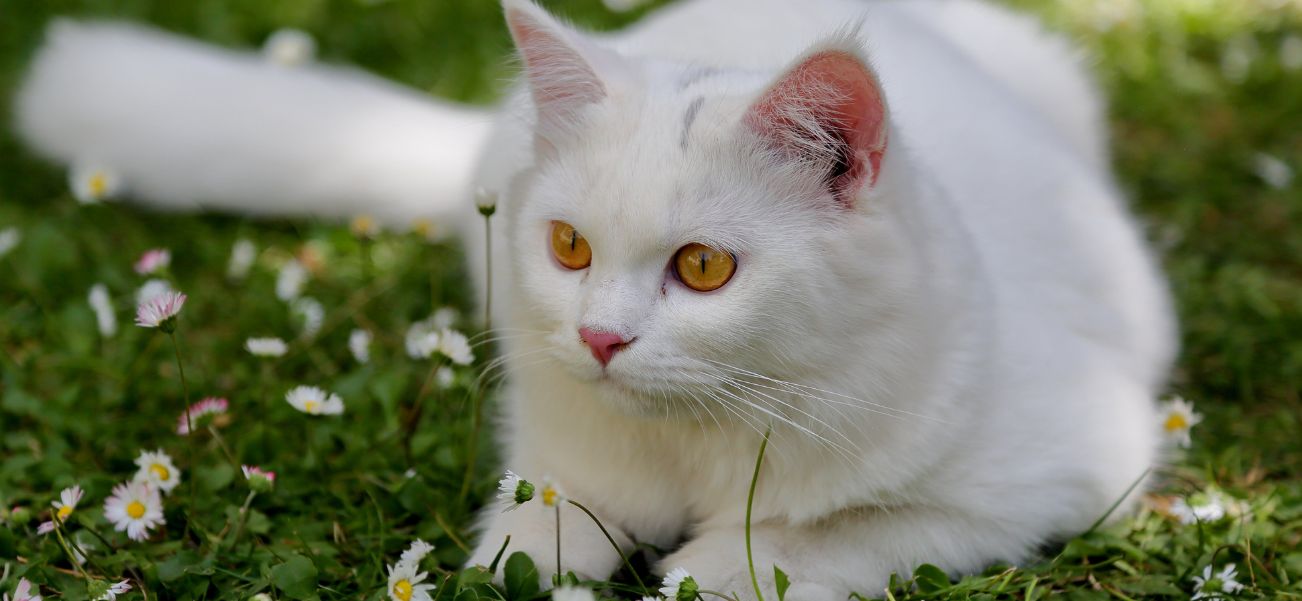
Unlike the stocky, cobby Persian, the Turkish Angora is a svelte, medium-sized cat. They are long, lean, and muscular, with a surprising amount of heft for their delicate appearance. Their legs are long and slender, with the hind legs being slightly longer than the front, giving them a regal, upright posture. Their paws are small, neat, and tufted with fur. One of their most distinctive features is the plumed tail – a long, tapering tail that is carried like a feather, often curling over their back when they walk.
Coat and Color
While the white, blue-eyed Turkish Angora is the most iconic image, the breed actually comes in a wide variety of colors and patterns. The Turkish Angora cat has a single, silky coat (lacking the dense, woolly undercoat of other long-haired breeds). This single coat is what makes their fur feel like liquid silk rather than cotton. It lies flat against the body and is surprisingly easy to care for.
Accepted colors include:
- Solid White, black, blue, red, cream.
- Silver & Golden Smoke, shaded silver, chinchilla.
- Tabby & Tortoiseshell Classic, mackerel, patched.
- Calico & Bi-color.
However, white remains the most famous. Interestingly, the gene for white coat is linked to the gene for deafness. Approximately 17-20% of white Turkish Angoras with two blue eyes are born deaf. White cats with one blue eye and one amber eye (odd-eyed) are often deaf on the blue-eyed side.
Head and Eyes
They have a modified wedge-shaped head with a smooth, flat plane between the ears. Their ears are large, pointed, and set high on the head, covered in fine, silky fur. The eyes are large, almond-shaped, and slanted slightly upward. Eye colors include blue, green, amber, and the highly prized odd-eyed (one blue, one amber or green).
Personality and Temperament: The Intelligent Socialite

If you are looking for a lap cat that sleeps 20 hours a day, the Turkish Angora cat breed is not for you. These cats are the border collies of the feline world – intelligent, active, and always involved. Owners often describe them as "dog-like."
Highly Intelligent
Turkish Angoras are problem-solvers. They will learn how to open cabinet doors, turn on light switches, and even retrieve toys. This intelligence means they require constant mental stimulation. Puzzle feeders, interactive toys, and clicker training are fantastic ways to keep their minds sharp. Bored Turkish Angoras are destructive Turkish Angoras – expect knocked-over items and unrolled toilet paper.
Social and Loyal
This breed forms extremely strong bonds with their human families. They are not aloof. You will find your Angora following you from room to room, "helping" you type on your keyboard, or supervising your cooking. They crave interaction and do not do well when left alone for long hours. Many Turkish Angora owners recommend getting two cats if you work full-time, as they thrive on companionship.
Playful and Athletic
Remember those long hind legs? This cat can jump. And I mean "jump". They are known for their ability to leap to the top of refrigerators or bookshelves in a single bound. They love chasing toys, climbing cat trees, and playing a vigorous game of fetch. They retain their kitten-like energy well into their senior years, so be prepared for a 15-year-long kittenhood.
Vocalization
They are moderately vocal. They are not as chatty as a Siamese, but they will use a soft, melodious trill or meow to communicate their needs – whether that is to open a door, fill the food bowl, or simply tell you they love you.
Grooming Requirements: Less Than You Think

One of the biggest misconceptions about the Turkish Angora cat breed is that their long hair requires daily, labor-intensive grooming. In reality, because they lack a dense undercoat, their silky fur is surprisingly resistant to matting and tangling.
- Brushing A weekly brushing with a stainless steel comb or a slicker brush is usually sufficient to remove loose hair and distribute skin oils. During the spring and fall shedding seasons, you may need to increase this to 2-3 times per week.
- Bathing Turkish Angoras generally keep themselves clean. Bathing is rarely necessary unless your cat gets into something sticky. In fact, over-bathing can strip the natural oils that keep their coat silky.
- Dental Hygiene Like all purebred cats, Angoras can be prone to dental issues. Aim to brush their teeth 2-3 times a week with a vet-approved enzymatic toothpaste.
- Nail Trims Trim their sharp, needle-like claws every 10-14 days.
- Eye Care White cats, especially those with light eyes, can be prone to tear staining. Wipe the corner of the eyes daily with a soft, damp cloth to prevent reddish-brown stains.
Health and Lifespan: What to Watch For

The Turkish Angora cat breed is generally a robust, healthy breed with a long lifespan. It is not uncommon for a well-cared-for Turkish Angora to live between 12 and 18 years, with many reaching their early 20s.
However, they are predisposed to a few specific health conditions that potential owners should be aware of.
1. Deafness (Congenital Sensorineural Deafness)
As mentioned, the white-coated gene is linked to deafness. This is not a progressive disease; the kitten is either born deaf or hearing. Responsible breeders will perform BAER (Brainstem Auditory Evoked Response) testing on their white kittens before selling them.
Living with a deaf cat Deaf cats can live perfectly normal, happy lives indoors. They are more startled by sudden movements than sounds. You can communicate with them using hand signals or a flashlight. Never let a deaf Turkish Angora outside unsupervised, as they cannot hear cars or predators.
2. Hypertrophic Cardiomyopathy (HCM)
HCM is the most common heart disease in cats, and the Turkish Angora has a genetic predisposition to it. HCM causes the thickening of the heart muscle, leading to reduced heart function, blood clots, and potentially sudden death.
Prevention Always buy from a breeder who screens their breeding cats for HCM via echocardiograms (heart ultrasounds). Annual vet checkups with heart listening are crucial.
3. Ataxia (Spinocerebellar Ataxia)
This is a rare, inherited neurological disorder specific to the Turkish Angora. It affects the cerebellum, causing poor coordination, head tremors, and a wobbly gait. It is not painful, but it is incurable. Responsible breeders test for the genetic mutation.
4. Feline Lower Urinary Tract Disease (FLUTD)
Some lines of Turkish Angora are prone to urinary crystals and bladder stones. Feeding a high-moisture diet (wet food) and ensuring constant access to fresh water is essential for prevention.
Diet and Nutrition: Feeding the Athlete

Given their high energy levels, the Turkish Angora cat breed requires a high-quality, protein-rich diet. You should look for cat foods that list a named meat (chicken, turkey, rabbit, or fish) as the first ingredient.
- Wet vs. Dry Ideally, feed a combination. Wet food provides hydration (crucial for urinary health), while high-quality dry food can help with dental cleaning.
- Protein Needs Aim for at least 40-50% protein content. These cats are lean, active hunters at heart; they do not do well on grain-heavy, low-quality foods.
- Portion Control While they are active, they can become overweight if free-fed calorie-dense food. Measure their food according to the bag's guidelines (usually 1/2 to 3/4 cup of dry food or 5-6 ounces of wet food per day, split into two meals).
Is the Turkish Angora Right for You?

Before you rush out to find a Turkish Angora kitten, let’s look at who this breed fits—and who it doesn’t.
Perfect for:
- Active families who enjoy interactive playtime.
- People who work from home or have other pets to keep the Angora company.
- Dog owners Angoras often get along famously with cat-friendly dogs.
- Experienced cat owners who appreciate high intelligence and mischief.
- Those who want a long-haired cat without the high grooming maintenance.
Not ideal for:
- Seniors or couch potatoes who want a quiet, sedentary lap cat.
- People who are away from home 10+ hours a day without another pet.
- Those with fine, delicate furniture these cats climb and jump on everything.
- Homes with pet birds or rodents that hunting instinct is strong.
Adopting vs. Buying a Turkish Angora

Because the Turkish Angora cat breed is relatively rare, finding one can be a challenge.
Buying from a Breeder
If you want a purebred kitten with predictable traits and health testing, look for a breeder registered with the CFA or TICA. A responsible breeder will:
- Provide BAER testing for white kittens.
- Provide echocardiograms for parents (HCM clear).
- Allow you to visit the cattery and meet the mother.
- Have a health guarantee and spay/neuter contract.
Red flags Breeders selling "teacup" or "rare color" Angoras for exorbitant prices, or those who cannot provide health testing.
Adoption
Don't overlook shelters! Because white Turkish Angoras look similar to domestic longhairs, they are occasionally surrendered to rescue groups. Look for breed-specific rescues or search Petfinder using keywords "Turkish Angora mix." Even a mixed-breed Angora will often have the same silky coat and playful personality.
Conclusion: A Lifetime of Elegance and Energy

The Turkish Angora cat breed is more than just a beautiful face. They are a living piece of history, a testament to natural evolution, and a whirlwind of intelligence and affection. If you are ready for a cat that will talk back to you, follow you into the shower, fetch a crinkled ball, and then curl up on your chest purring – the Turkish Angora is your perfect match.
They ask for little: your attention, your time, and a safe indoor environment. In return, they offer 15 to 18 years of unwavering loyalty, graceful beauty, and endless entertainment. Whether they are white with mismatched eyes, black as night, or a patchwork of red and cream, every Turkish Angora shares the same heart: courageous, clever, and completely devoted to you.
Are you ready to welcome a swan into your life? If so, the Turkish Angora is waiting.
Turkish Language Materials