
Celebrating Christmas in Turkey, a Muslim-Majority Land
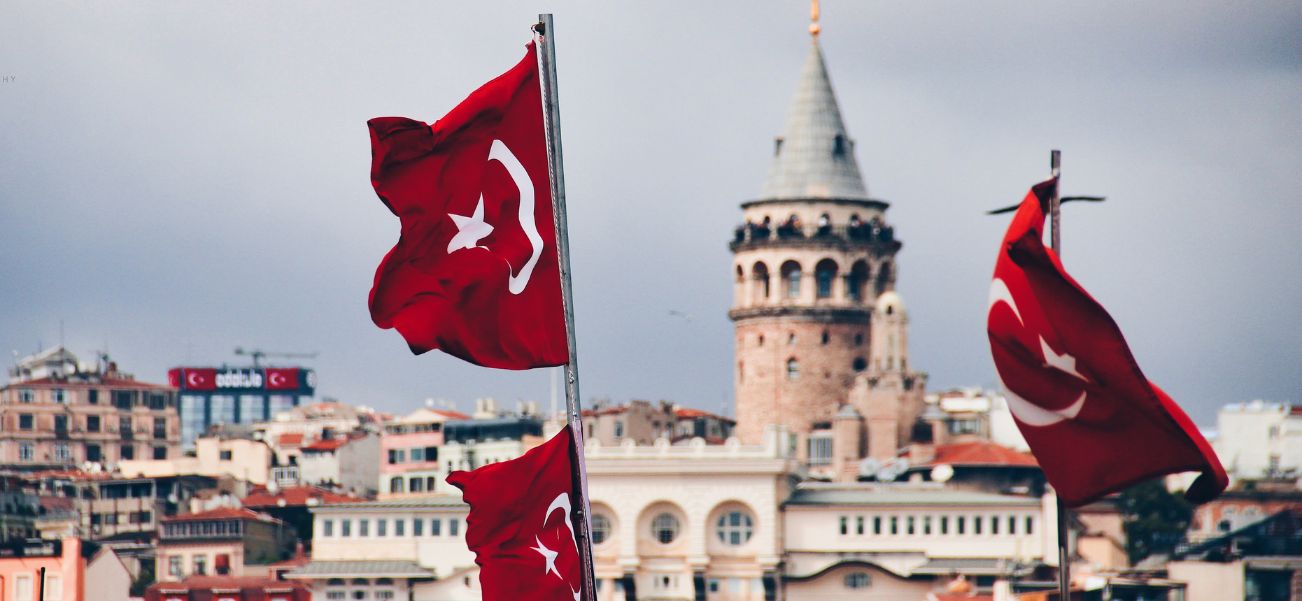
Picture this: The scent of roasted chestnuts and cinnamon fills the crisp winter air. The grand avenue of İstiklal Caddesi in Istanbul twinkles under a canopy of fairy lights, while a distant church bell chimes from a hidden courtyard. A vendor calls out, "Sıcak sahlep!"" offering warming cups of a traditional orchid-root drink. Yet, alongside the familiar red-and-green motifs in a boutique window, a mosque’s minaret stands silhouetted against a twilight sky, the call to prayer echoing softly. This is Christmas in Turkey—a beautiful, nuanced tapestry woven with threads of ancient Christian history, modern secular celebration, and warm Turkish hospitality, all set within a predominantly Muslim nation.
For many Western visitors, the experience of spending Christmas in Turkey is one of delightful contrasts and profound discoveries. It is a country where the figure of Santa Claus (Noel Baba) hails from the ancient Lycian coast, where early Christian apostles walked through the stone streets of Ephesus, and where today, the festive season is a vibrant blend of global influences and local traditions.
While December 25th is not a public holiday in Turkey, the entire month buzzes with a festive spirit, largely framed around the celebration of the New Year (Yılbaşı). This unique convergence creates a magical, alternative way to experience the holidays—far from the commercial frenzy, yet rich in history, warmth, and unexpected joy.
Turkey’s multicultural past as the heart of the Byzantine and Ottoman Empires means its landscape is a living museum of faiths and cultures. In December, this heritage combines with increasing global tourism and a growing expat community to create pockets of authentic Christmas celebration alongside widespread, joyous New Year’s preparations.
This guide promises to unravel the complexities and reveal the charms of the festive season in Turkey. We’ll explore where to find glowing Christmas markets and solemn midnight mass, savor festive feasts, and discover how Turkey’s deep Christian roots make it a uniquely meaningful destination for a winter holiday. Prepare to be surprised, enchanted, and inspired to experience a Christmas like no other in the captivating lands of Türkiye.

CHRISTMAS IN TURKEY: HOW TO CELEBRATE IN A MUSLIM-MAJORİTY COUNTRY
Listen to the podcast about "Celebrating Christmas in Turkey":
I. Is Christmas Celebrated in Turkey?

The straightforward answer is: Christmas, as a widely observed religious holiday marking the birth of Jesus Christ on December 25th, is not celebrated by the majority population in Turkey. With over 99% of its citizens identifying as Muslim, Turkey does not recognize Christmas as an official public holiday. Government offices, banks, and most businesses operate as usual on December 25th.
However, to stop there would be to miss the entire, fascinating picture. The key to understanding the festive season in Turkey lies in distinguishing between Christmas (Noel) and New Year’s Eve (Yılbaşı).
- New Year’s Eve (Yılbaşı) This is the major secular winter celebration in Turkey. The night of December 31st is a nationwide party, a time for family dinners, exchanging gifts, watching countdown shows, and setting off fireworks. It is a public holiday on January 1st.
- Christmas (Noel) Celebrated quietly by Turkey’s small Christian minorities (Armenian, Greek Orthodox, Syriac, and Catholic communities) on their respective dates, and more visibly by expats and international tourists.
Why the Confusion?

The blending of imagery is intentional and global. For decades, the visual symbols of Christmas—decorated trees, Santa Claus, lights, and gift-giving—have been adopted in Turkey as the symbols for the New Year. A “Christmas tree” is ubiquitously called a Yılbaşı Ağacı (New Year’s Tree). Santa Claus is known as Noel Baba (Father Christmas), a figure associated with gift-giving on New Year’s Eve. Consequently, visitors in December will see a plethora of familiar festive decor, but it is primarily in anticipation of New Year (Yılbaşı).
That said, the visibility of actual Christmas celebration is growing. In major cities and tourist hubs, driven by globalized culture, a large expatriate community, and tourism marketing, you can now find:
- Christmas markets explicitly named as such.
- Hotels and restaurants offering special “Christmas Dinner” menus on the 24th and 25th.
- Churches holding public midnight mass services.
- Shopping malls playing international Christmas music alongside Turkish pop.
So, while the nation officially celebrates the New Year, the entire month of December is infused with a hybrid festive spirit, allowing visitors to curate their own Christmas experience amidst a uniquely Turkish winter wonderland.
II. A Historical Perspective: Christianity’s Deep Roots in Anatolia
To fully appreciate the Christmas season in Turkey, one must journey back through millennia. Anatolia (Asia Minor) is not merely a place where Christianity exists; it is a land where Christianity was shaped, debated, and lived by its earliest followers. This deep history adds a layer of profound significance for Christian visitors celebrating the holiday here.

St. Nicholas, The Original Santa Claus
The jolly, red-suited figure known globally has his origins in a 4th-century Greek bishop. St. Nicholas was born in Patara and served as bishop in Myra (modern-day Demre), both on Turkey’s Mediterranean coast. Renowned for his secret gift-giving and compassion, his legacy evolved into the folklore of Santa Claus. Today, the Church of St. Nicholas in Demre is a pilgrimage site, especially in December, where visitors can pay homage at his original tomb.
St. Nicholas of Myra (Antalya): From Bishop to Santa Claus
Exploring the Historic St. Nicholas Church in Demre, Antalya
Cradle of Early Christianity

The New Testament itself is intertwined with Anatolia.
- Antioch (Antakya) Where followers of Jesus were first called “Christians.”
- Ephesus One of the most important early Christian communities. The Apostle Paul wrote his letter to the Ephesians here, and the House of the Virgin Mary, a believed final resting place of Mary, is a major site of pilgrimage near Ephesus.
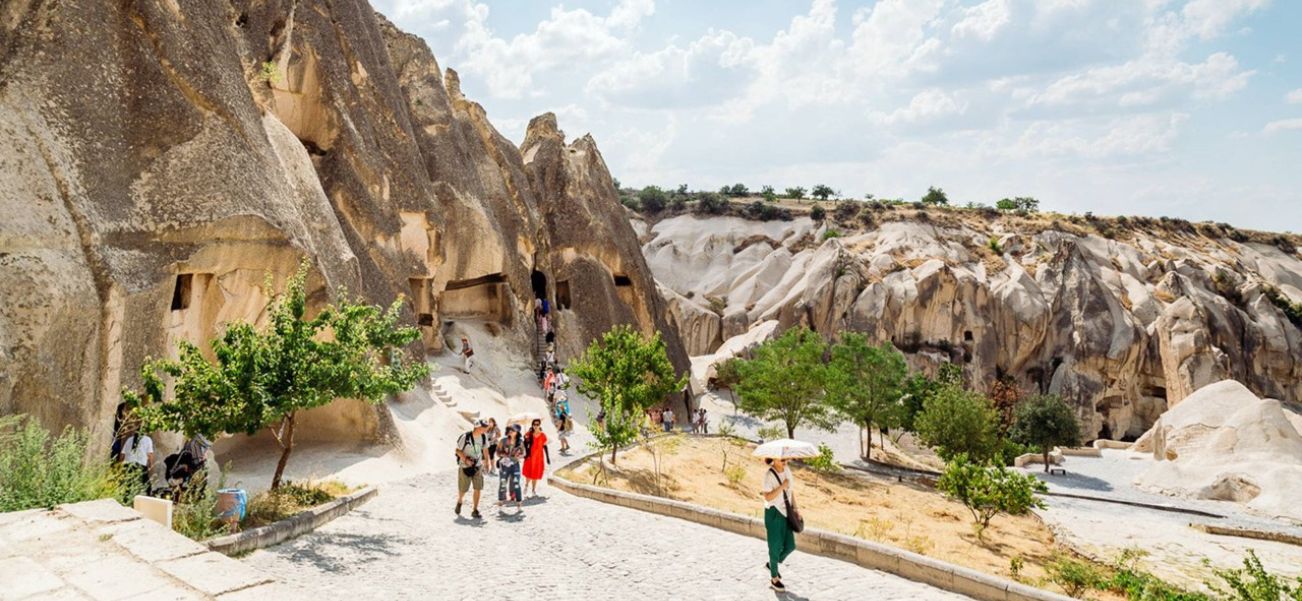
- Cappadocia A surreal landscape of “fairy chimneys” that early Christians hollowed out to create entire underground cities and breathtakingly frescoed cave churches, fleeing persecution.
- The Seven Churches of Revelation All located in western Anatolia, including those in Ephesus, Smyrna (Izmir), and Pergamon.
- Byzantine Heritage For over a millennium, Constantinople (Istanbul) was the heart of the Eastern Orthodox Christian world. Magnificent edifices like Hagia Sophia (originally a cathedral) and the Chora Church (with its stunning mosaics) stand as eternal testaments to this era.
Modern Influence
This rich heritage directly influences modern Christmas tourism. Travelers can attend Christmas services in ancient churches, explore the hometown of St. Nicholas, and wander through biblical-era ruins—connecting the Christmas story to its very geographical origins in a way few other destinations can offer.
III. How Expats, Tourists, and Local Christians Celebrate Christmas in Turkey

The celebration of Christmas in Turkey is a mosaic of different communities, each adding its own color to the season.
1. Turkey’s Indigenous Christian Communities
Turkey is home to ancient Christian groups who celebrate Christmas with deep religious devotion, often on different dates due to following Julian calendars.
- Armenian Apostolic Christians The largest Christian community in Turkey, celebrating Christmas on January 6th, combining the Nativity and Epiphany. In Istanbul, the Armenian Patriarchate Church in Kumkapı is the focal point for solemn and beautiful services.
- Greek Orthodox Christians Celebrate on December 25th. The Ecumenical Patriarchate of Constantinople in the Phanar (Fener) district of Istanbul holds a significant and moving midnight liturgy.
- Syriac (Assyrian) Christians Concentrated in Istanbul and southeastern Turkey, they celebrate on December 25th with ancient Syriac-language services.
- Roman Catholic & Protestant Congregations Found mainly in Istanbul, Izmir, and Ankara, they hold services in various languages (English, Italian, German, Turkish).
2. The Expatriate Community
In cities like Istanbul, Ankara, Izmir, Antalya, and Bodrum, thousands of expats from Europe and the Americas create their own Christmas traditions.
- Community Events International organizations, clubs, and churches host Christmas bazaars, charity fairs, carol-singing events, and children’s parties throughout December.
- Private Gatherings Homesick expats often host elaborate “Friendsgiving” or Christmas dinners, pooling resources to find turkeys and ingredients for traditional dishes.
- Hotel & Restaurant Celebrations High-end hotels and international restaurants cater directly to this demographic with traditional Christmas brunches, gala dinners, and parties on the 24th and 25th, complete with mulled wine and roast turkey.
Atmosphere in Major Hubs
- Istanbul The undisputed center for Christmas diversity. The districts of Bebek, Etiler, Nişantaşı, and Kadıköy have a high concentration of expats and international venues buzzing with festive events.
- Ankara The diplomatic community ensures a variety of embassy-hosted and private international events.
- Izmir & Antalya Large European expat populations, especially retirees, lead to organized community meals and celebrations in resorts and coastal towns.
- Bodrum, Marmaris, Fethiye Popular with British and other European expats, with many restaurants and bars hosting Christmas Day lunches.
IV. Christmas Decorations, Displays & Festive Atmospheres Across Turkey

While the decor is officially for the New Year, the visual effect throughout December is undeniably festive. Turkish municipalities and businesses spare no expense with dazzling light displays.
Istanbul – The Festive Megacity
- İstiklal Avenue & Taksim Square The iconic pedestrian street becomes a river of light, with elaborate overhead displays and shop windows competing for attention.
- Nişantaşı & Bebek Affluent neighborhoods with designer stores feature chic, stylish window displays and decorations.
- Galataport & Karaköy The modern cruise port and trendy district are adorned with contemporary light installations and often feature a large public tree.
- Shopping Malls Behemoths like İstinye Park, Zorlu Center, and Cevahir Istanbul transform into indoor winter wonderlands with giant themed trees, Santa’s grottos for photos, and hourly “snow” shows.
- Historic Areas The Grand Bazaar and Spice Bazaar get into the spirit with strings of lights and vendors selling festive ornaments and gifts.
Antalya & Mediterranean Resorts
In tourist centers like Lara, Konyaaltı, and Belek, luxury hotels and resorts create extravagant Christmas-themed displays—think life-size gingerbread houses, sleighs on the beach, and palm trees wrapped in lights—catering to the many tourists seeking winter sun.
Cappadocia – A Fairytale Winter
Here, the decorations are provided by nature. Snow-dusted fairy chimneys and cave dwellings create a scene straight from a storybook. Hotels carve intricate ice sculptures and light up their cave facades. The sight of hot-air balloons rising over the snowy valleys at sunrise during the Christmas period is an unforgettable, magical experience.
Finding Decorations
Entire neighborhoods in cities like Istanbul (such as Çağaloğlu and Tahtakale) become seasonal markets for Yılbaşı ağaçları (trees), ornaments, lights, tinsel, and artificial snow spray. The variety is immense, from simple baubles to elaborate themed decorations.
V. Christmas Foods & New Year Flavors in Turkey

Turkey has no native culinary tradition for Christmas Day, but it boasts a magnificent and shared festive kitchen for New Year’s Eve ("Yılbaşı Gecesi"). For the Christmas celebrator, this means an abundance of special foods are readily available throughout December.
The Centerpiece: Roast Turkey ("Hindi")
Borrowed from Western traditions for the New Year’s table, roast turkey is now a staple in Turkish supermarkets and butcher shops in December. It’s often stuffed with a savory rice pilaf with chestnuts, currants, and pine nuts ("kestaneli iç pilav").
The New Year’s Eve Feast ("Yılbaşı Akşamı")
- Meze Spreads A dazzling array of cold appetizers like "haydari" (thick yogurt dip), "midye dolma" (stuffed mussels), and various "dolma" (stuffed vegetables).
- Main Dishes Alongside turkey, you might find baked pastries like "börek", or special seafood dishes in coastal areas.
- Desserts This is the crown jewel. Baklava, şöbiyet, and cevizli sucuk (walnut rolls) are prepared in abundance. The most iconic New Year’s dessert is Tavuk Göğsü, a strange and delightful milk pudding made with shredded chicken breast, topped with cinnamon.
Christmas-Specific Dining
International hotels and fine-dining restaurants offer special Christmas set menus on the 24th and 25th. These typically feature international classics: Cream soups, smoked salmon, beef Wellington or roast turkey with all the trimmings, and desserts like Yule log or plum pudding.
Turkish Winter Comfort Foods
Embrace the local winter flavors that make the season cozy:
- Sahlep A hot, creamy drink made from orchid root powder, topped with cinnamon. Sold by street vendors everywhere.
- Boza A fermented, slightly tangy millet drink, often sprinkled with roasted chickpeas and cinnamon. A historic winter staple.
- Kestane Kebap Roasted chestnuts, their smoky aroma permeating city streets.
- Simit & Grilled Sandwiches Perfect street food for a chilly day.
VI. The Role of Tourism: Why Many Visitors Come to Turkey in December

December is an increasingly popular time to visit Turkey, offering advantages distinct from the crowded summer months.
- Diverse Climate & Scenery You can choose your winter. Enjoy mild, sunny days on the Mediterranean coast in Antalya or Fethiye, or embrace a true winter wonderland in Cappadocia, Eastern Anatolia, or at ski resorts like Uludağ (Bursa) or Palandöken (Erzurum).
- Christmas Markets While not as historic as Germany’s, festive markets have taken root. Istanbul’s Christmas markets in locations like KüçükÇiftlik Park or the Catholic churches in Beyoğlu offer mulled wine, handicrafts, and festive snacks. Antalya’s markets also draw crowds.
- Festive Hotel Promotions Luxury resorts, particularly in Istanbul and Cappadocia, offer attractive “Festive Season” packages that include Christmas and New Year’s gala dinners, spa treatments, and special events.
- Cultural Tourism Without Crowds Explore the majestic sites of Ephesus, Pamukkale, and Topkapi Palace in relative peace and pleasant temperatures.
- A Unique Holiday Experience For those wanting to escape commercial pressure or repeat family dynamics, a Christmas in Turkey offers adventure, cultural immersion, and a truly memorable alternative.
VII. Unique Turkish Traditions That Resemble Christmas
Understanding these local traditions helps visitors appreciate the cultural context and even participate.
- New Year's Tree (Yılbaşı Ağacı) The decorated fir tree, identical to a Christmas tree. Families gather to decorate it in the days leading up to New Year’s Eve.
- Father Christmas (Noel Baba) The Turkish name for Santa Claus, directly linking to St. Nicholas of Myra. His image is everywhere in December.
- New Year's Lottery (Yılbaşı Çekilişi) The national lottery jackpot peaks on December 31st, with almost every adult buying a ticket.
- New Year's Gifts (Yılbaşı Hediyeleri) Gifts are exchanged at midnight on New Year’s Eve, not on Christmas morning. They are often placed under the New Year's tree (Yılbaşı Ağacı).
- Family Dinner & Countdown The New Year’s Eve family dinner is sacrosanct. At midnight, everyone kisses hands of elders, wishes each other “*Mutlu Yıllar*” (Happy New Year), and then often tunes into comedy shows or goes out for fireworks.
- Visiting Demre A uniquely Turkish tradition is taking a winter trip to Demre to see the Church of St. Nicholas, especially poignant in December.
VIII. Best Places to Celebrate Christmas in Turkey

1. Istanbul
The ultimate destination for a festive December. Experience Christmas markets at parishes like St. Esprit Cathedral, see the lights on İstiklal, attend a multilingual mass at churches like the Catholic St. Anthony on İstiklal or the Anglican Crimean Memorial Church, and enjoy world-class Christmas dinners at five-star hotels like the Pera Palace or Çırağan Palace.
St. Antoine Church: Istanbul's Hidden Gem on Istiklal Street
2. Cappadocia
For a storybook Christmas. Stay in a cozy cave hotel with a fireplace, witness the spectacular sight of balloons flying over snow-covered valleys, explore the ancient cave churches, and enjoy a traditional pottery kebab dinner in a cave restaurant. The silence and beauty are profoundly peaceful.
3. Antalya & The Turquoise Coast
Christmas under the sun. Many all-inclusive resorts in Lara and Belek pull out all stops with massive festive buffets, animation shows, and beach parties. Antalya’s old town (Kaleiçi) is charmingly decorated, and you can enjoy a Christmas Day walk along the picturesque yacht harbor.
4. Izmir
A liberal, cosmopolitan city with a strong Christian historical presence (ancient Smyrna). The Alsancak and Karşıyaka districts have lively expat scenes and decorated streets. Visit the Agios Voukolos Church and enjoy the city’s vibrant cafe culture with a view of the Aegean.
5. Demre (Myra) & Patara
A pilgrimage for Christmas purists. Visit the Church of St. Nicholas in Demre, see the ancient Lycian ruins of Myra, and then drive to the stunning Patara Beach, the birthplace of St. Nicholas. It’s a powerful connection to the origins of the Santa Claus legend.
IX. Practical Tips for Celebrating Christmas in Turkey
- Finding a Tree & Decorations Head to wholesale market districts in any major city in early December. In Istanbul, the Çağaloğlu area is famous for trees and decorations.
- Weather Pack for cold, potentially wet weather in Istanbul, Ankara, and Cappadocia (temps 0-10°C). The south coast (Antalya, Fethiye) is milder (10-18°C) but can be rainy. Cappadocia and the east will be cold and snowy.
- Church Services Schedules are usually posted online in advance. For Catholic/Protestant services in English, check websites for the **Union Church of Istanbul** or Catholic churches in Beyoğlu. Dress modestly for all churches.
- Booking Christmas Meals Book well in advance, especially for hotel gala dinners on the 24th and 25th. These events are popular and sell out.
- Cultural Sensitivity Remember that for most Turks, December 25th is a normal working day. Wishing “Merry Christmas” ("Mutlu Noeller") is fine and appreciated in cosmopolitan settings, but don’t be offended if the wider public is focused on New Year’s preparations. Embrace the local "Yılbaşı" spirit—it’s equally festive and welcoming.
X. Conclusion
Celebrating Christmas in Turkey is an experience that quietly reshapes one’s understanding of the holiday. It moves beyond tradition and into the realms of history, cultural exchange, and heartfelt hospitality. It is a chance to stand in the church of the original Santa Claus, to hear carols echo in a stone chapel in Cappadocia, and to share a festive table where "baklava" sits beside plum pudding.
Turkey, in its unique position as a secular Muslim-majority nation with an indelible Christian heritage, offers not a diluted Christmas, but a deepened one. It reminds us that the themes of peace, generosity, and togetherness transcend any single culture or religion. The Turkish winter, with its warming "sahlep", stunning landscapes, and the infectious excitement for the coming New Year, provides a beautiful, alternative backdrop for reflection and celebration.
So, if you seek a Christmas that blends ancient history with modern joy, serene landscapes with vibrant city lights, and your own traditions with the warm embrace of Turkish hospitality, then look no further. Your most memorable, meaningful, and surprisingly festive Christmas might just be waiting for you under the starry skies of Anatolia.
Mutlu Noeller ve Mutlu Yıllar! (Merry Christmas and a Happy New Year!)
Turkish Language Materials